Archives
- 2026-10
- 2026-09
- 2026-08
- 2026-07
- 2026-06
- 2026-05
- 2026-04
- 2026-03
- 2026-02
- 2026-01
- 2025-12
- 2025-11
- 2025-10
- 2025-09
- 2025-03
- 2025-02
- 2025-01
- 2024-12
- 2024-11
- 2024-10
- 2024-09
- 2024-08
- 2024-07
- 2024-06
- 2024-05
- 2024-04
- 2024-03
- 2024-02
- 2024-01
- 2023-12
- 2023-11
- 2023-10
- 2023-09
- 2023-08
- 2023-07
- 2023-06
- 2023-05
- 2023-04
- 2023-03
- 2023-02
- 2023-01
- 2022-12
- 2022-11
- 2022-10
- 2022-09
- 2022-08
- 2022-07
- 2022-06
- 2022-05
- 2022-04
- 2022-03
- 2022-02
- 2022-01
-
Since the localization of LO depends on phosphorylation we a
2024-11-08
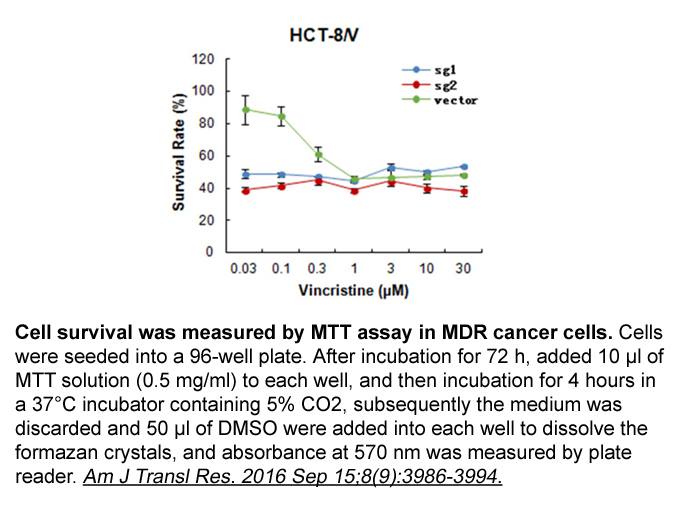
Since the localization of 5-LO depends on phosphorylation, we also analyzed the phosphorylation profile of 5-LO-WT and all isoforms by Western blot using specific Fmoc-His(Boc)-OH.CHA sale against the phosphorylation sites S271 and S523. Whereas phosphorylation at S271 activates the 5-LO, inhibits
-
Pyrimidine is the important pharmacology core in
2024-11-07
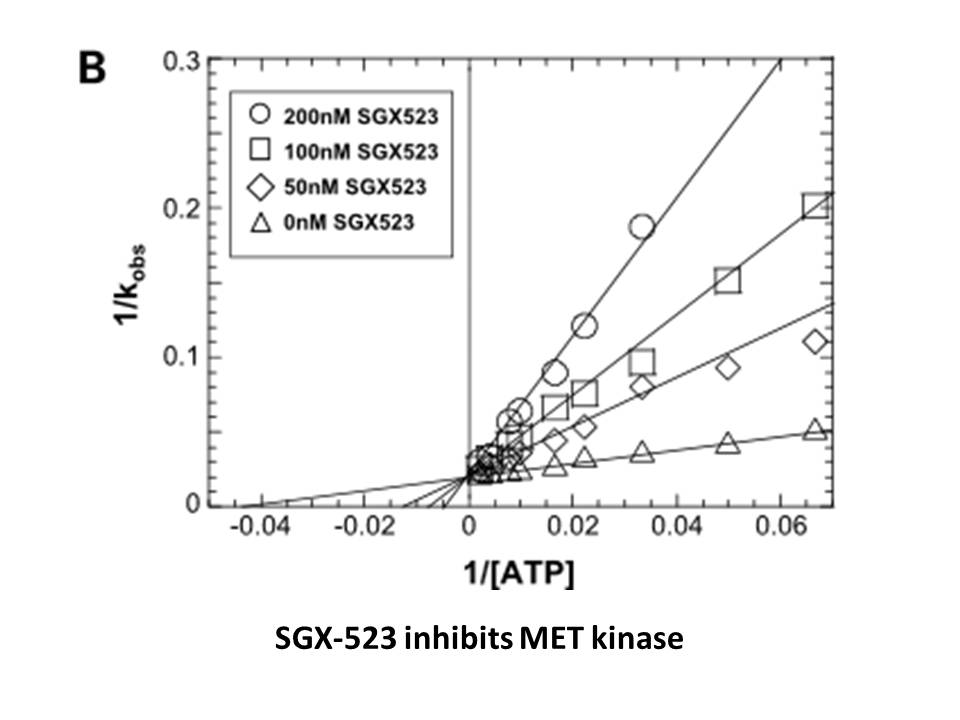
Pyrimidine is the important pharmacology core in many Aurora inhibitors, such as VX-680, ENMD-2076, CYC-116 and ENMD-2076 [12]. To identify additional effective Aurora inhibitors, we designed a series of 2,4-diaminopyrimidine compounds, our modeling studies suggested that the mavacamten core as wel
-
In addition to pH regulation by
2024-11-07

In addition to pH regulation by ion (counter-) fluxes, acidification is regulated by the abundance of V-ATPase on organelles, by the pumping activity of the complex and by proton leakage. In yeast, the V-ATPase VO subunit a is the only subunit expressed in two isoforms termed Stv1p and Vph1p. V-ATPa
-
Analyzed by qRT PCR Fig the variation of the expressions
2024-11-07
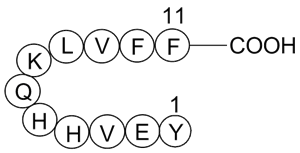
Analyzed by qRT-PCR (Fig. 8), the variation of the expressions of DtACLA and DtACLB was fairly consistent in response to nitrogen deficiency, suggesting that DtACLA and DtACLB may be coordinate to function in the catalysis. It was reported that in Arabidopsis, the coordinated ACLA and ACLB mRNA accu
-
br Synthetic lethal approaches In addition to
2024-11-07

Synthetic lethal approaches In addition to the potential utility of ATM and ATR as chemo- or radiosensitisers, recent studies suggest that such compounds may have single agent activity in certain subsets of patients through induction of synthetic lethality. Two genes are considered synthetically
-
Then Autodock was employed for site directed docking
2024-11-07

Then, Autodock4.2 was employed for site directed docking on AD with the ligands of the cluster(s) having high binding affinities in VS II experiment (Morris et al., 2009). Docking protocols were followed as per our earlier report with 200 GA (genetic algorithm) run (Kalani et al., 2015). Likewise, l
-
In our previous report salivary
2024-11-07
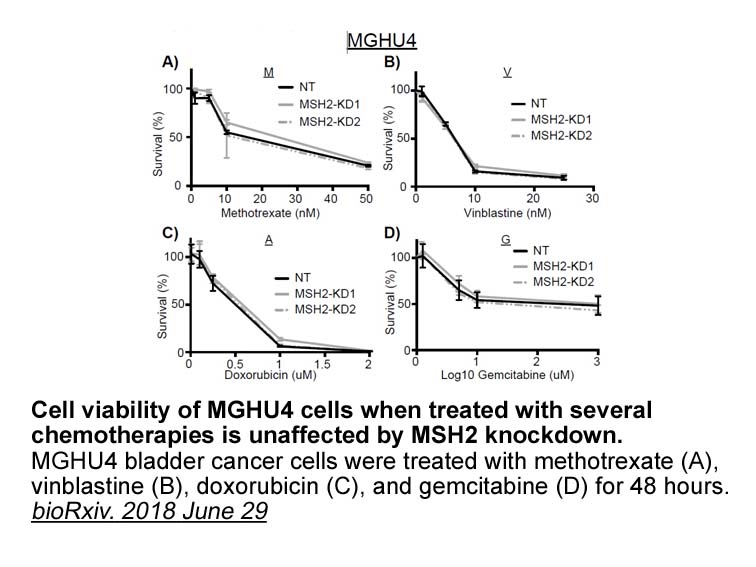
In our previous report, salivary arginase levels were found to be higher in periodontitis patients compared to healthy controls (Ozmeriç, Elgün, & Uraz, 2000). However, only one study has investigated arginase ezyme in saliva in patients with dental implants in which smokers were also included. An i
-
Magnolol Although our sample size is not enough to conclude
2024-11-07
Although our sample size is not enough to conclude that there is no great genetic variation of the AR gene in most New World monkeys, it would be reasonable to state that the microsatellite region in the exon 1 of the androgen receptor gene of New World monkeys (platyrrhine) is relatively shorter th
-
br Experimental section br Introduction NMDA receptor
2024-11-07
Experimental section Introduction NMDA receptor-induced increases in AMPAR trafficking to the synaptic surface mediates changes in synaptic efficacy in a number of TRAM 39 regions (Shi et al., 1999, Sun et al., 2005, Frenkel et al., 2006). While this process has been linked to the regulated i
-
br The lipoxygenase pathway in
2024-11-07

The 12/15-lipoxygenase pathway in the pancreatic islet and in diabetes mellitus Homeostasis of blood glucose is maintained by hormone secretion from the pancreatic islets of Langerhans. More specifically, insulin produced by the β AS-703026 of the islet plays a major role in proper maintenance o
-
br Discussion To our knowledge this is the first
2024-11-07
Discussion To our knowledge, this is the first case report that demonstrates the presence of a novel T1151K ALK mutation in a patient with disease progression after crizotinib and then ceritinib. As early as 2011, Zhang et al. identified T1151K among other resistance mutations to crizotinib in Ba
-
The geometry of two three four
2024-11-06
The geometry of two, three, four and five Ac-YVAD-CHO mg neutral radical ACh molecule complexes with various electronic configurations, i.e. with various multiplicities equal to 1, 2 and 4 (for ACh trimer) were determined using DFT with the unrestricted B97d/SVP potential/basis set in Gaussian09 pr
-
Molecular docking is widely used to predict
2024-11-06
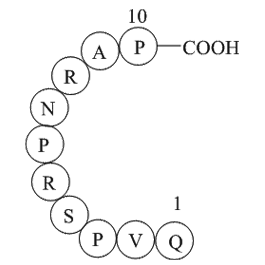
Molecular docking is widely used to predict the interaction between an enzyme and its inhibitors. This is a computational simulation approach that can be used as a tool to investigate the structure-activity relationship of ACE inhibitory peptides (Goodsell, 2009). It has been recently shown that ACE
-
NOXA a member of the pro apoptotic B cell lymphoma
2024-11-06
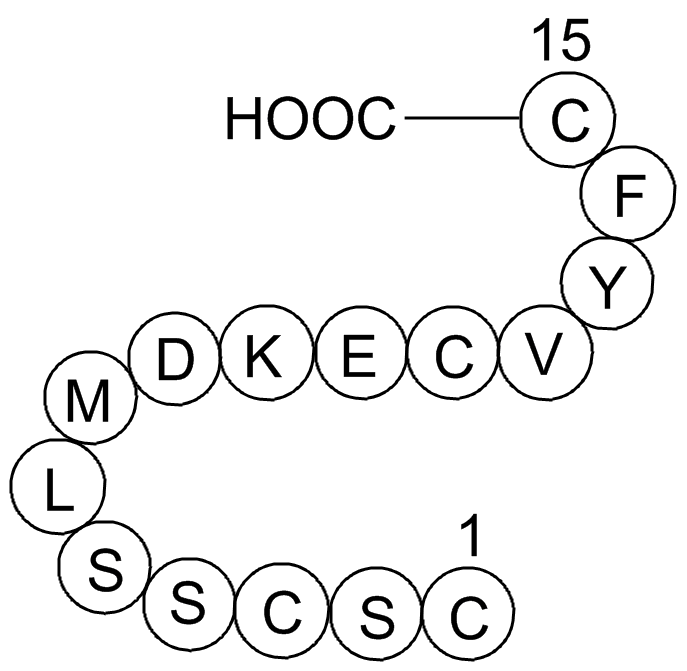
NOXA, a member of the pro-apoptotic B-cell lymphoma 2 (BCL-2) family, plays a vital role in regulating mitochondrial or inherent apoptotic pathways [7,8]. NOXA binds to MCL-1 with high affinity and interacts with A1 (known as BCL2A1), resulting in BIM release to trigger subsequent apoptosis [9]. In
-
Interestingly this situation might be changed by the immunol
2024-11-06
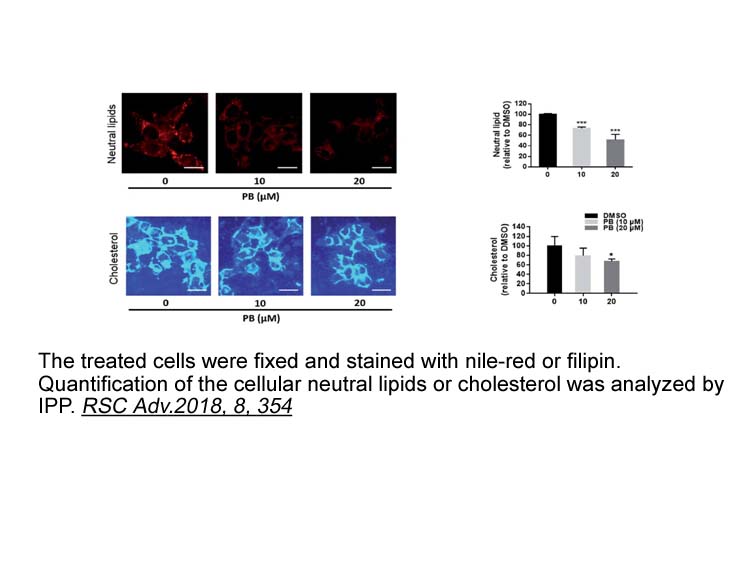
Interestingly, this situation might be changed by the immunological context, in particular by the cytokines encountered during differentiation or activation. LPS-activation of bone marrow-derived DCs differentiated in GM-CSF decreases autophagy, CP2, and subsequent activation of CD4+ T cells (Fig. 2
8602 records 92/574 page Previous Next First page 上5页 9192939495 下5页 Last page