Archives
- 2026-10
- 2026-09
- 2026-08
- 2026-07
- 2026-06
- 2026-05
- 2026-04
- 2026-03
- 2026-02
- 2026-01
- 2025-12
- 2025-11
- 2025-10
- 2025-09
- 2025-03
- 2025-02
- 2025-01
- 2024-12
- 2024-11
- 2024-10
- 2024-09
- 2024-08
- 2024-07
- 2024-06
- 2024-05
- 2024-04
- 2024-03
- 2024-02
- 2024-01
- 2023-12
- 2023-11
- 2023-10
- 2023-09
- 2023-08
- 2023-07
- 2023-06
- 2023-05
- 2023-04
- 2023-03
- 2023-02
- 2023-01
- 2022-12
- 2022-11
- 2022-10
- 2022-09
- 2022-08
- 2022-07
- 2022-06
- 2022-05
- 2022-04
- 2022-03
- 2022-02
- 2022-01
-
Glucose permeability studies demonstrated a high
2025-01-24

Glucose permeability studies demonstrated a high glucose flux through the SF films used in the present work. Recent diffusion studies, including small molecular drugs and oxygen permeation through SF membranes [32], further support the quality of SF and its possible application as a material for bio
-
The enzyme plays an important role in the purine metabolism
2025-01-24
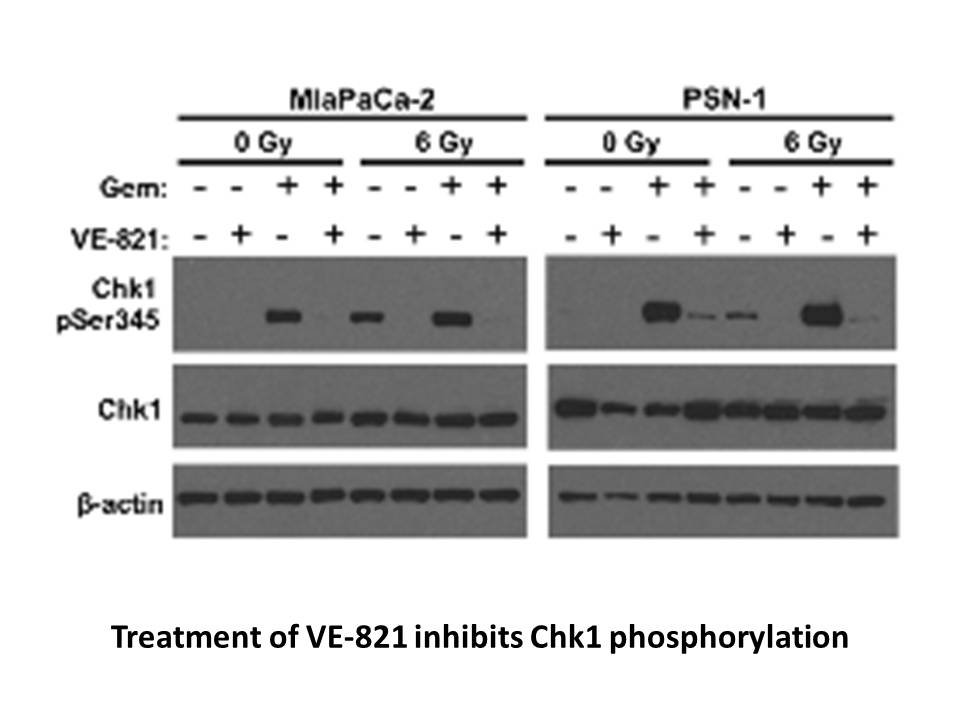
The enzyme plays an important role in the purine metabolism of this parasite. Like other parasitic protozoa, T. gondii is incapable of de novo purine biosynthesis and depends totally on preformed purines salvaged from the host EGFP mRNA Negative Control for its purine requirements and survival (Per
-
2'-Deoxyadenosine monohydrate Owing to efficient catalyt
2025-01-24
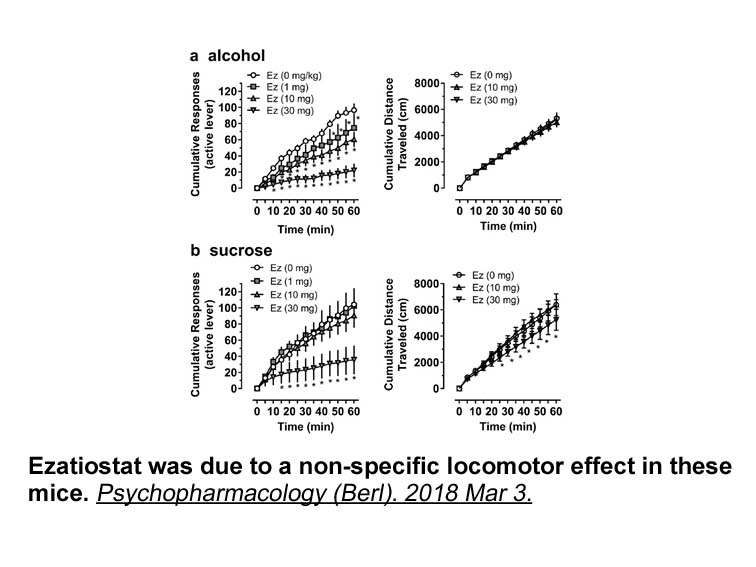
Owing to efficient catalytic character, high electrolyte accessible area, easy fabrication and many other interesting properties, metal oxide nanoparticles are extensively used in a variety of electro-analytical processes [14]. Metal oxide nanoparticles immobilized over a conductive and large area s
-
Fig A shows a schematic representation of histological resul
2025-01-24
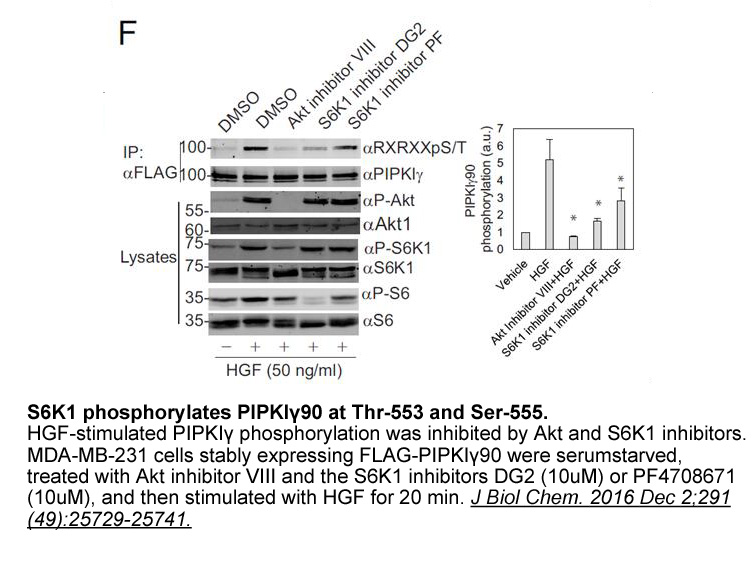
Fig. 2A shows a schematic representation of histological results according to the Franklin and Paxinos Mouse Brain Atlas (2001). The black circles represent the sites of drug infusion that were on-target within the amygdala. Gray circles represent the animals that had infusion locations outside the
-
To date more than different
2025-01-24
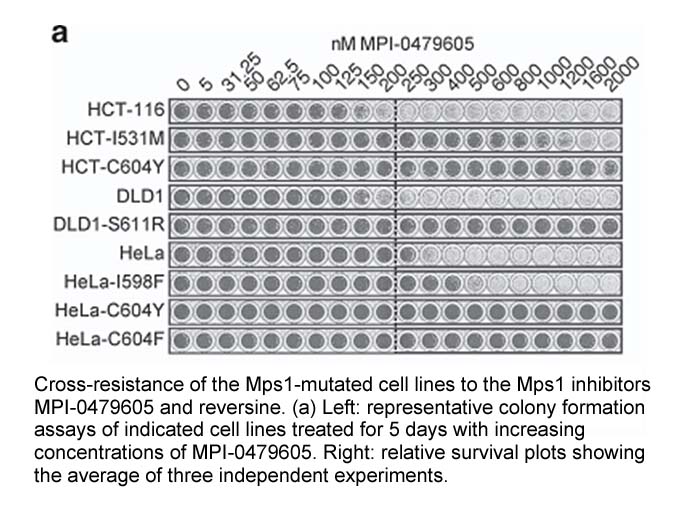
To date, more than 50 different mutations in the gene have been described (Human Gene Mutation Database at the Institute of Medical Genetics in Cardiff: SRD5A2 Gene: http://www.hgmd.cf.ac.uk). Most of them are missense mutations but premature stop codons and deletions leading to non-functional or su
-
Having taken a step back from affinity to
2025-01-23
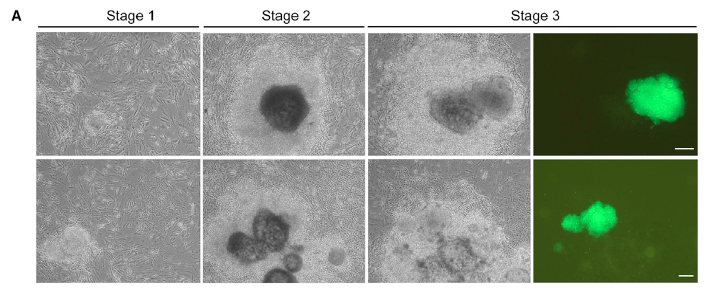
Having taken a step back from affinity to gain better exposure and solubility, we started work to replace the unstable oxazolinone, and address the selectivity over the hERG channel. Keeping in mind the binding mode of the series from crystal structures, triazole was identified as another mildly aci
-
We also explored the possibility that this PKC activating pr
2025-01-23
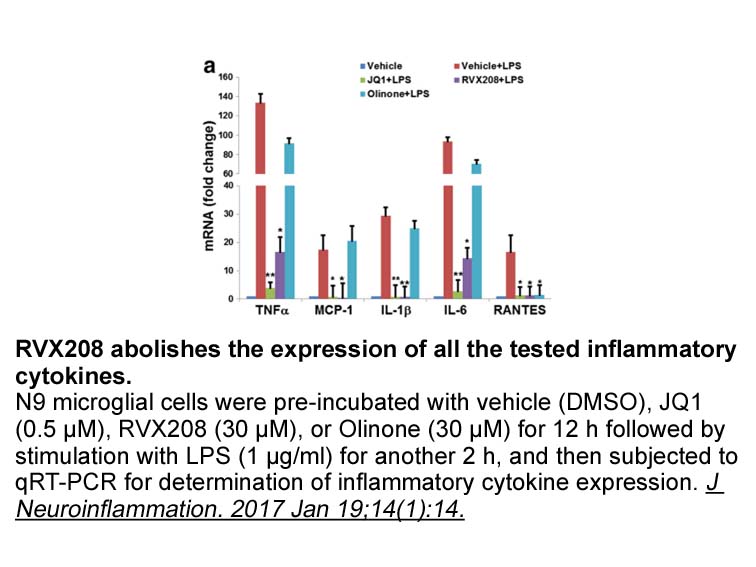
We also explored the possibility that this PKC-θ activating protein could operate on the auto-phosphorylation process of the kinase, a specific event accompanying PKC activation [32]. The heated PKC-θ immunoprecipitate from metaphasic cells was then added to PKC-θ isolated both from interphasic or m
-
In summary present evidence suggests
2025-01-23
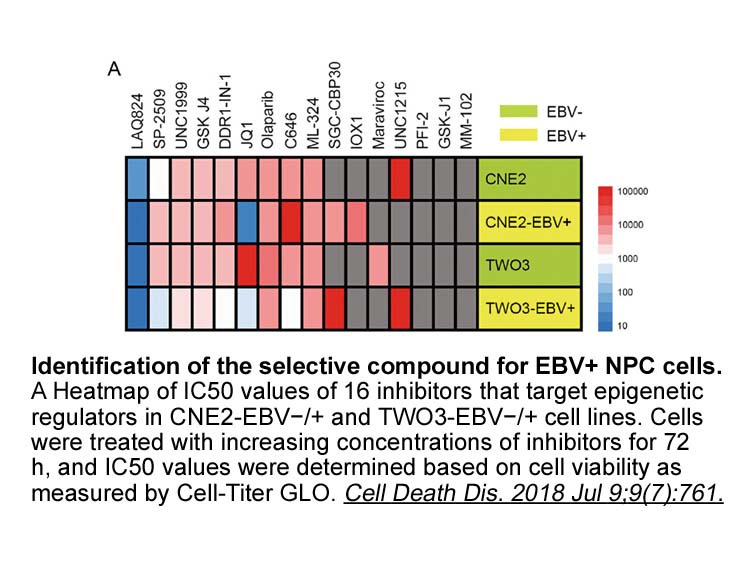
In summary, present evidence suggests that antimicrobial therapy for intra-abdominal sepsis can be shortened in patients exhibiting a clinical response to treatment. Hence, clinicians should use the resolution of clinical signs of infection as a guide to determine when during the 4–7-day window anti
-
Another hypothesis is angiogenesis inhibition Angiogenesis i
2025-01-23

Another hypothesis is angiogenesis inhibition. Angiogenesis is a process that involves the growth, migration and differentiation of endothelial Human BMP-2 to form new blood vessels. Angiogenesis favorably influences tumor growth and also influences tumor invasion of vessels, resulting in tumor met
-
br A and tau in Alzheimer s disease The two
2025-01-23

Aβ and tau in Alzheimer's disease The two classical histopathological hallmarks of AD are extracellular insoluble Aβ deposits, known as Aβ plaques, and intracellular accumulations of insoluble microtubule-associated tau protein, known as neurofibrillary tangles [14]. Aβ peptides are produced as a
-
igf1r inhibitor br There is evidence to suggest that GMF act
2025-01-22
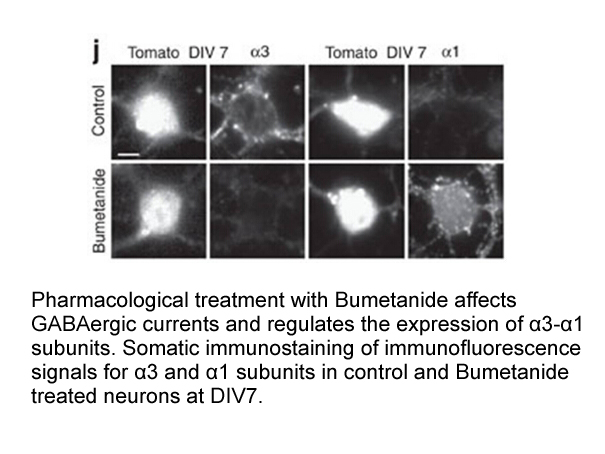
There is evidence to suggest that GMF activities are regulated in vivo by post-translational modification. indeed, there is strong precedent for ADF-homology family proteins being regulated in this manner. Cofilin is inhibited by phosphorylation of a serine residue at its N terminus. This residue
-
Whereas more research is needed to identify the
2025-01-22
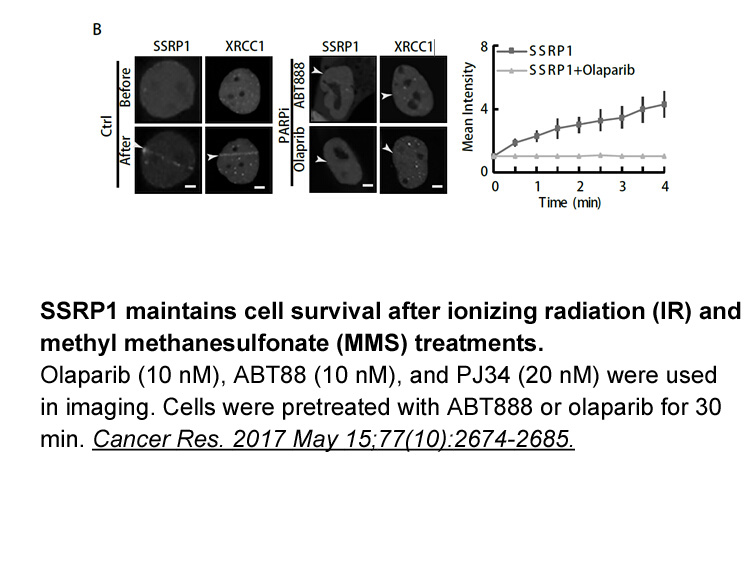
Whereas more research is needed to identify the precise mechanism by which FIN exerts its antidyskinetic effect, the ack1 inhibitor that it can negatively modulate dopaminergic transmission is also supported by our previous findings. Indeed, we have previously shown that FIN completely reversed the
-
br Funding br Introduction l Dihydroxyphenylalanine l DOPA i
2025-01-22
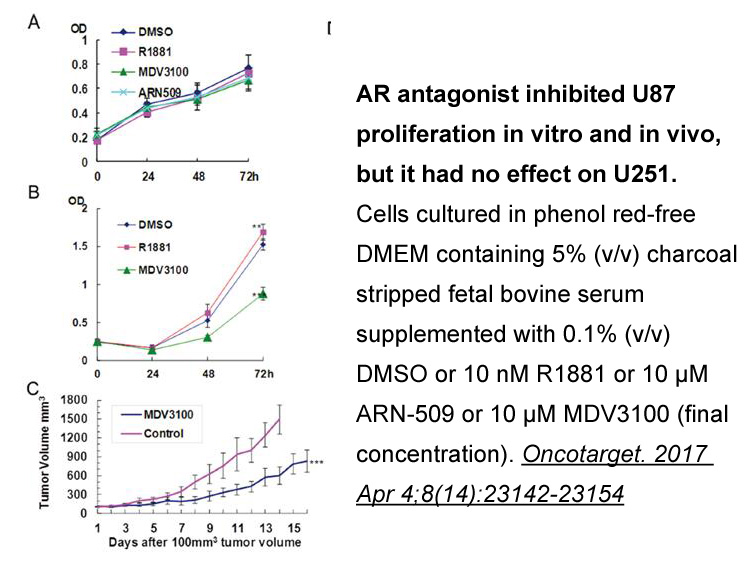
Funding Introduction l-3,4-Dihydroxyphenylalanine (l-DOPA) is the gold-standard treatment for the motor symptoms of Parkinson's disease (PD); however, its chronic use induces severe motor complications that eventually limit its long-term efficacy (Bastide et al., 2015). The most disabling side
-
As mentioned above variation of the A ring was
2025-01-22
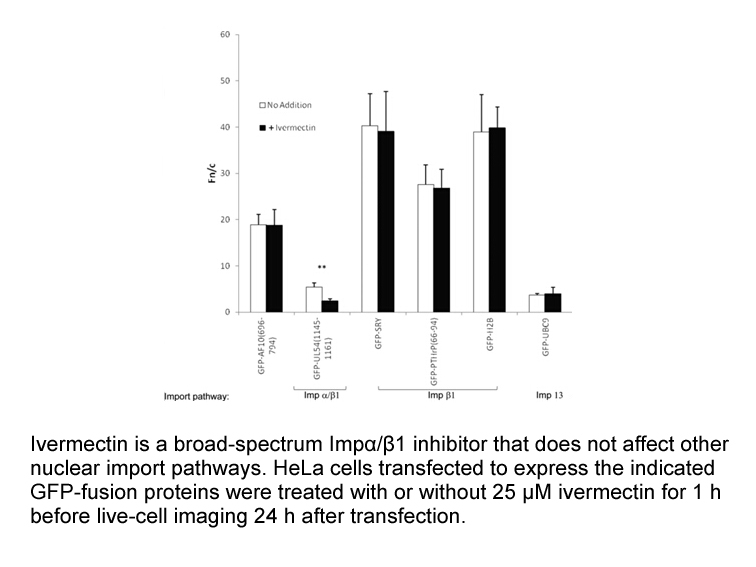
As mentioned above, variation of the A-ring was undertaken in order to improve microsomal stability and kinase selectivity relative to losmapimod fshd (). 1-Imidazole-2-carboxamides with substitution at the 4-position (–) were mostly tolerated with 4-cyano-imidazole-2-carboxamide () having comparabl
-
br ASK in multiple sclerosis and optic
2025-01-22
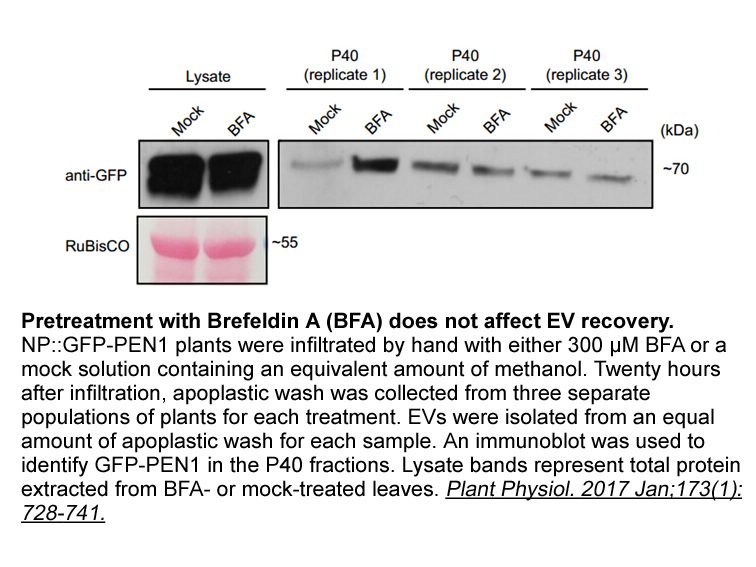
ASK1 in multiple sclerosis and optic neuritis Multiple sclerosis (MS), a chronic inflammatory demyelinating disease of the central nervous system (CNS), is the most common neurological disease among young adults in the United States and Europe (Dutta and Trapp, 2011). Although MS primarily affect
8601 records 57/574 page Previous Next First page 上5页 5657585960 下5页 Last page