Archives
- 2026-10
- 2026-09
- 2026-08
- 2026-07
- 2026-06
- 2026-05
- 2026-04
- 2026-03
- 2026-02
- 2026-01
- 2025-12
- 2025-11
- 2025-10
- 2025-09
- 2025-03
- 2025-02
- 2025-01
- 2024-12
- 2024-11
- 2024-10
- 2024-09
- 2024-08
- 2024-07
- 2024-06
- 2024-05
- 2024-04
- 2024-03
- 2024-02
- 2024-01
- 2023-12
- 2023-11
- 2023-10
- 2023-09
- 2023-08
- 2023-07
- 2023-06
- 2023-05
- 2023-04
- 2023-03
- 2023-02
- 2023-01
- 2022-12
- 2022-11
- 2022-10
- 2022-09
- 2022-08
- 2022-07
- 2022-06
- 2022-05
- 2022-04
- 2022-03
- 2022-02
- 2022-01
-
Gene expression of both GPR A and GPR
2022-02-25
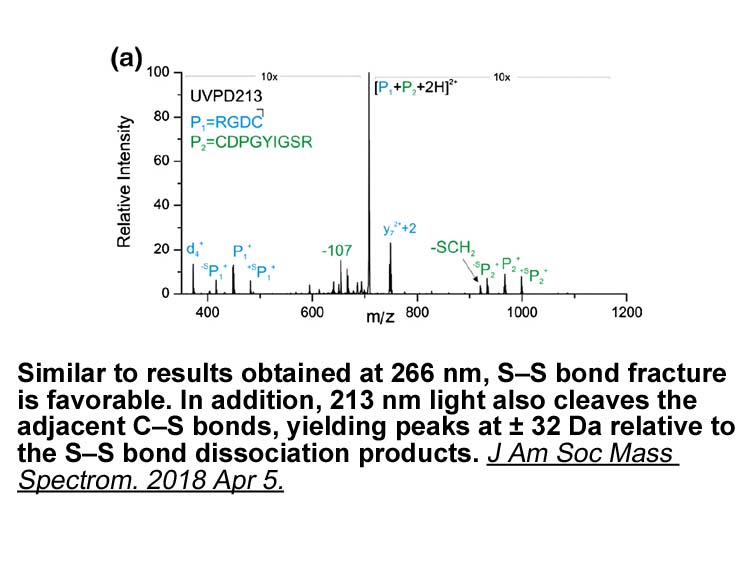
Gene expression of both GPR109A and GPR81 in adipocytes has been linked to PPARγ activation [22]. Treatment with the thiazolidinedione (TZD) PPARγ agonist, rosiglitazone, increases GPR109A and GPR81 expression, and knockdown of PPARγ suppresses receptor expression in fully differentiated human multi
-
Following activation it is necessary for a subset of
2022-02-25
Following activation, it is necessary for a subset of activated effector T cells to survive as long-lived memory T cells. Metabolically, this transition is dependent upon the ability of the cell to downregulate aerobic glycolysis and transition back to a more oxidative phenotype. In fact, enhancemen
-
br Differences among flavivirus vaccines and implications fo
2022-02-25
Differences among flavivirus vaccines and implications for CD4 T cell immunity There are currently three classes of flavivirus vaccines in use – live-attenuated virus (for immunoprophylaxis against YF and JE), whole inactivated virus vaccines (JE, TBE) and chimeric vaccines (JE, DEN). The chimeri
-
Previously we have shown that rapid action of E
2022-02-25
Previously, we have shown that rapid action of E2in vitro is mediated through two E2 membrane receptors, GPR30 (GPER1) and the STX-sensitive membrane receptors (Noel et al., 2008; Kenealy et al., 2011a, Kenealy et al., 2011b). This is significantly different from receptors implicated in the positive
-
By contrast pentameric glycine receptors
2022-02-25
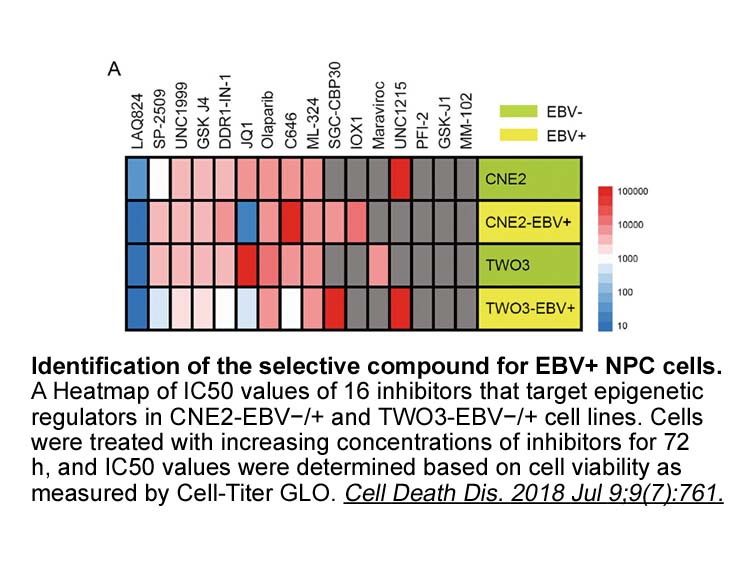
By contrast, pentameric glycine receptors (GlyR) in humans have four functional subunits, α1− α3 and β (Lynch, 2004) whereas the retina of other mammals have an additional α4 subunit (Harvey et al., 2000), and in humans the α4 subunit is considered a pseudogene as it lacks the 4th transmembrane doma
-
The standard model of stress postulates the activation of bo
2022-02-25
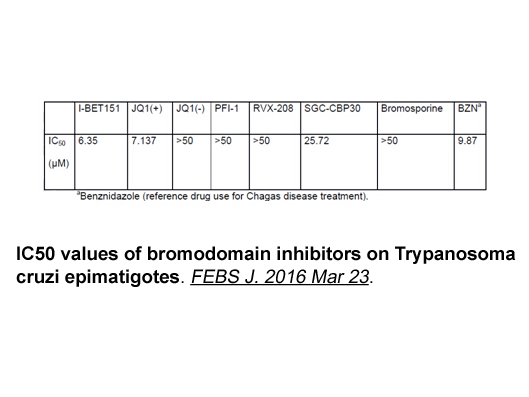
The standard model of stress postulates the activation of both the sympathoadrenomedullary axis and the hypothalamo-pituitary-adrenocortical axis. Long-term activation of either neuroendocrine axes has been shown to be harmful [12]. Short-term activation of the sympathoadrenomedullary axis is used t
-
These differences have led to
2022-02-25
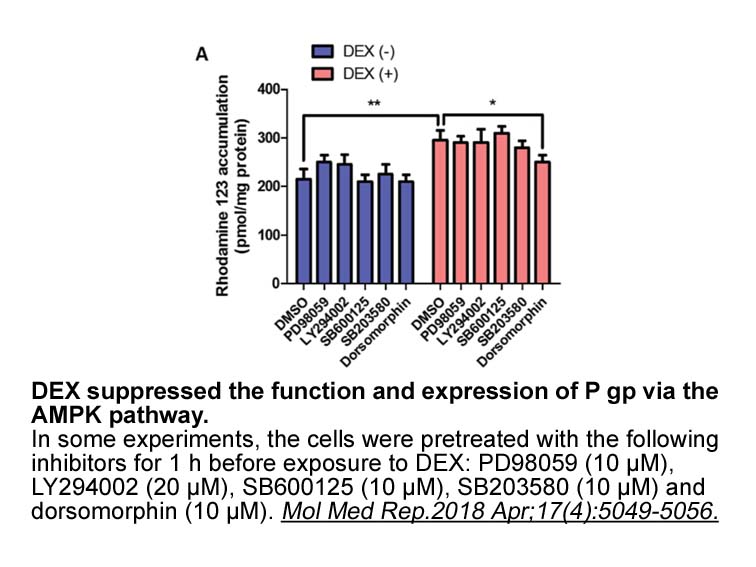
These differences have led to the recognition that the extent to which transport contributes to shaping postsynaptic signals likely reflects a balance between the density of transporters and the amount of l-glutamate in the synaptic cleft. Consequently, those synapses exhibiting the characteristics
-
Fumonisin B1 mg br Materials and Methods br Results br
2022-02-25
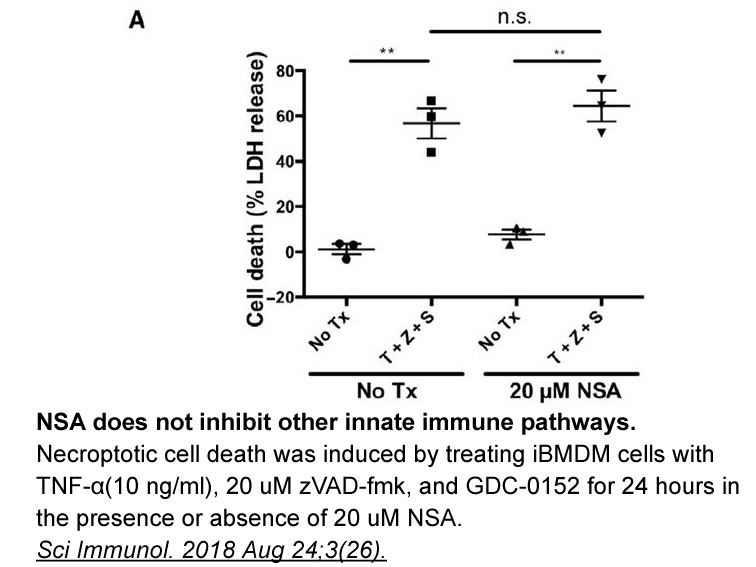
Materials and Methods Results Discussion A model of seizure and excitotoxicity induced by neonatal MSG administration was described recently (19) in which extracellular glutamate increased after the first and second MSG administrations were observed, the greatest increase seen following the
-
To further implicate the role of EAAT in morphine induced
2022-02-25

To further implicate the role of EAAT3 in morphine-induced place preference, the effects of morphine on EAAT3 Okadaic acid was determined. Interestingly, morphine increased EAAT3 protein expression in the plasma membrane of mPFC, nucleus accumbens and VTA but not in the hippocampus of wild-type mice
-
Herein in consider of the high similarity between GR HBP
2022-02-25
Herein, in consider of the high similarity between GR HBP site and AR HBP site, we applied rational drug design strategy to develop AR/GR antagonists based on the chemical structures of antiandrogens and crystal structure of GR. The following bioassay identified Z19 as a dual AR/GR antagonist. Z19 i
-
Previously we have shown that
2022-02-25
Previously, we have shown that ghrelin and cannabinoids stimulate hypothalamic AMPK activity (Kola et al., 2005). In contrast, both the orexigenic compounds have inhibitory effects on AMPK activity in the liver and visceral fat (Kola et al., 2005). In this study, we were able to reproduce our previo
-
Newt GHS R a proteins expressed in a mammalian cell
2022-02-25
Newt GHS-R1a proteins expressed in a mammalian cell were able to bind homologous newt ghrelin, heterologous rat and bullfrog ghrelin, and a peptidyl GHS-R1a agonist, GHSRP-6, with inducing intracellular Ca signaling. This indicates that the identified cDNA encodes the ghrelin receptor from a view of
-
br Role of ghrelin in reward and addiction In addition
2022-02-25
Role of ghrelin in reward and addiction In addition to its well-known effects on Bestatin hydrochloride sale homeostasis regulation at the hypothalamic level [reviews in (Al Massadi et al., 2017, Muller et al., 2015)], ghrelin also has the ability to increase food motivation acting on hypothalam
-
Based on the collective experience to date
2022-02-25
Based on the collective experience to date, it is likely that a much more comprehensive assessment of GSI selectivity for inhibition of multiple substrates, as well as biomarkers to track inhibition of non-APP substrates in vivo will be needed to support future efforts to develop substrate selective
-
All of the abovementioned effects of PUFAs signal their invo
2022-02-24
All of the abovementioned effects of PUFAs signal their involvement in a cellular phenotype switching phenomenon, which is increasingly recognized as a potential target for future pharmacotherapies of atherosclerosis, especially for individuals who do not respond to the classical lipid-lowering stra
8605 records 543/574 page Previous Next First page 上5页 541542543544545 下5页 Last page