Archives
- 2026-10
- 2026-09
- 2026-08
- 2026-07
- 2026-06
- 2026-05
- 2026-04
- 2026-03
- 2026-02
- 2026-01
- 2025-12
- 2025-11
- 2025-10
- 2025-09
- 2025-03
- 2025-02
- 2025-01
- 2024-12
- 2024-11
- 2024-10
- 2024-09
- 2024-08
- 2024-07
- 2024-06
- 2024-05
- 2024-04
- 2024-03
- 2024-02
- 2024-01
- 2023-12
- 2023-11
- 2023-10
- 2023-09
- 2023-08
- 2023-07
- 2023-06
- 2023-05
- 2023-04
- 2023-03
- 2023-02
- 2023-01
- 2022-12
- 2022-11
- 2022-10
- 2022-09
- 2022-08
- 2022-07
- 2022-06
- 2022-05
- 2022-04
- 2022-03
- 2022-02
- 2022-01
-
Experimentally the ECD spectrum of showed three
2023-08-14
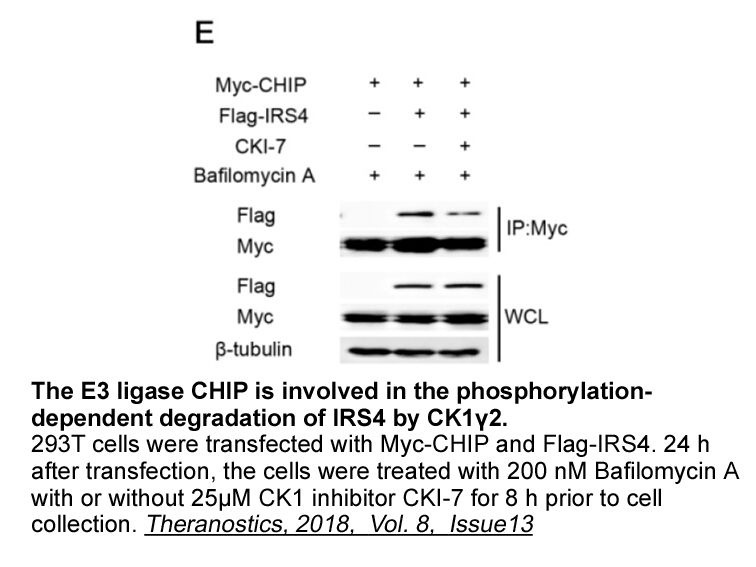
Experimentally, the ECD spectrum of 1 showed three ECD bands: positive ones at 260 and 200nm, and a negative one at 230nm (Fig. 4). Meanwhile, there is only one broad positive ECD band starting from 300nm in the ECD spectrum of 2. ECD spectra of 1 and its derivatives attracted great interest because
-
To the best of our
2023-08-14
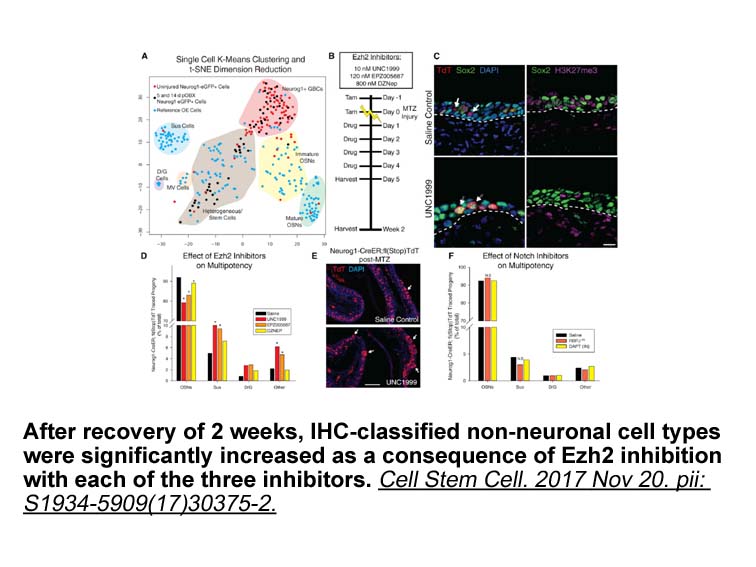
To the best of our knowledge, there have been only a few reports on antiangiogenic activities about C. sanki, and its antiangiogenic constituents as well as its mechanism of action are worthy of further exploring and studying. Therefore, we carried out a bioassay-guided investigation of C. sanki in
-
Although several studies indicate that ALDH protects the hea
2023-08-14
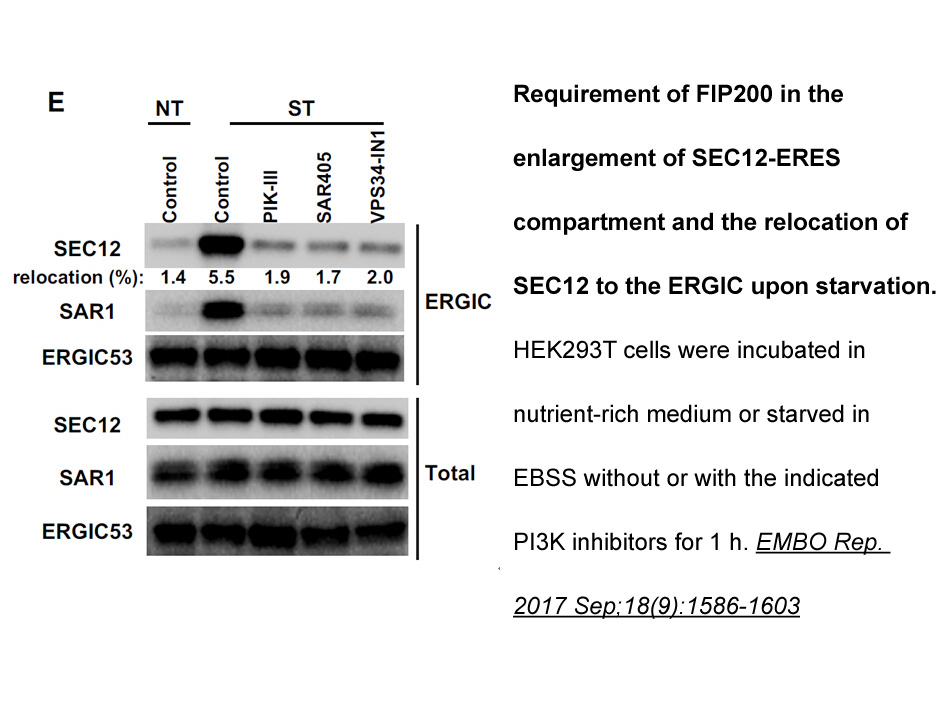
Although several studies indicate that ALDH2 protects the heart from injury and maladaptive remodeling (reviewed in [11], [12], [13]), accumulating evidence indicates that deficiency of the enzyme could be protective as well. For example, mice expressing the defective Aldh2*2 mutation show lower ald
-
MRS 1220 Sphingolipids such as ceramides and glucosylceramid
2023-08-14
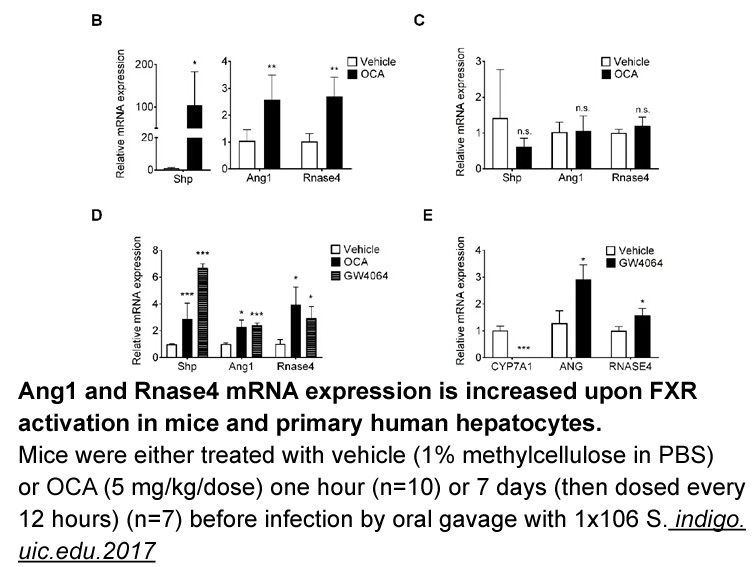
Sphingolipids, such as ceramides and glucosylceramides, are an important class of bioactive lipids. The levels of these lipids change as a function of adipose tissue mass and functionality, and are partially driven by cellular availability of palmitoyl-CoA. Aberrant accumulation of ceramide, glucosy
-
Patients with AAG often respond to intravenous
2023-08-14
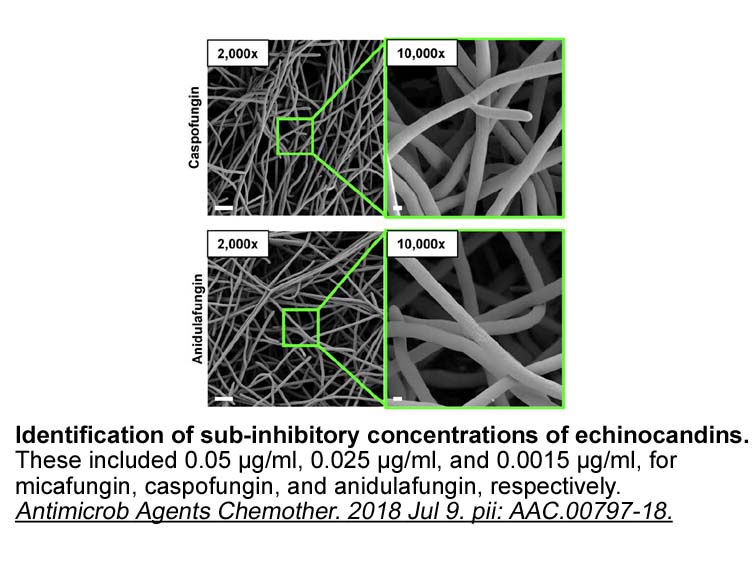
Patients with AAG often respond to intravenous immunoglobulin or plasma exchange. If these therapies are inadequate, ongoing immune suppression with steroids, azathioprine, mycophenylate or rituximab have been shown to be effective in case reports. Our patient seemed initially resistant to steroid t
-
Both subcutaneous s c and mucosal administration of
2023-08-14
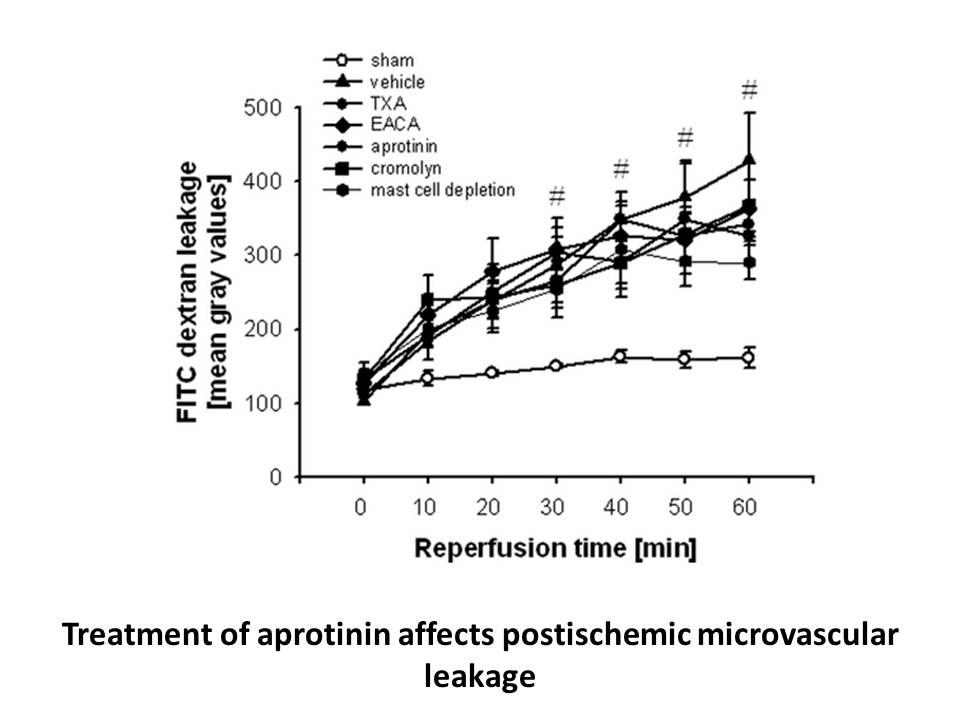
Both subcutaneous (s.c.) and mucosal administration of short synthetic peptide derivatives of AChR prevent the onset of EAMG, but do not treat ongoing EAMG [80], [81], [82], [83], [84], [85]. The selection of peptides for treatment is mainly based on the identification of immunodominant T- and B-cel
-
The present study has several limitations First the
2023-08-12
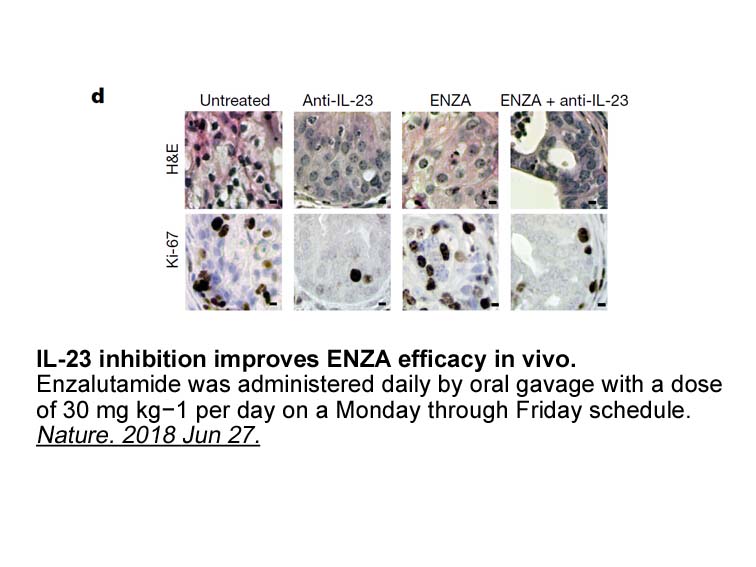
The present study has several limitations. First, the results were obtained using RAW264.7 cells, which are derived from BALB/c mice infected with the Abelson leukemia virus (Raschke et al., 1978). However, these cells, which are a commonly used mouse macrophage cell line, show properties similar to
-
science and technology PGR regulation of epithelium stroma c
2023-08-12
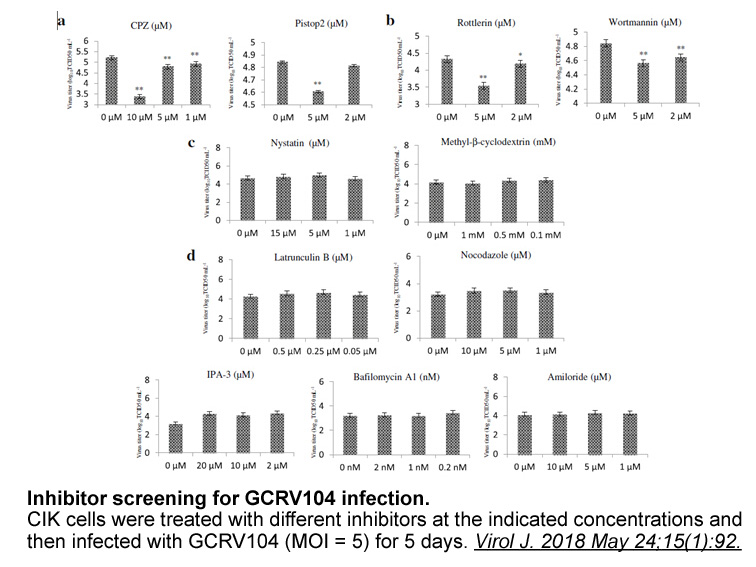
PGR regulation of epithelium–stroma crosstalk is proven by numerous studies that utilize genetically engineered mouse models. Before embryo implantation, epithelial PGR mediates the progesterone signal to transcriptionally increase the Ihh levels 13, 15. Epithelial IHH then activates the stromal hed
-
br Materials and methods br Results br
2023-08-12
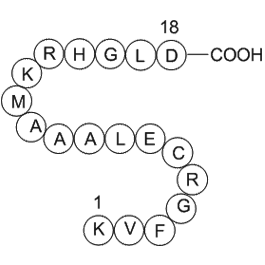
Materials and methods Results Discussion Because the Ser/Thr kinase domain of LRRK2 is homologous to that of other MLK family proteins belonging to the MAP3K superfamily, LRRK2 is suggested to be involved in MAPK signaling and activation of neuronal cell death by phosphorylating its downstr
-
AP was originally described as a heterodimer
2023-08-12
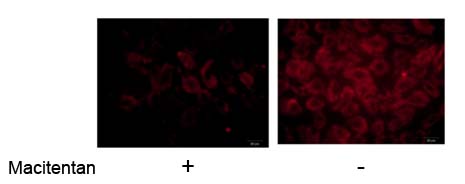
AP-1 was originally described as a heterodimer of the bZIP proteins c-Jun and c-Fos. The experiments described here showed that stimulation of TRPV1 channels induced the expression of both of these classical constituents of AP-1. The essential role of both proteins was analyzed in a series of experi
-
Hepatic inflammation and fibrosis are hallmarks
2023-08-12
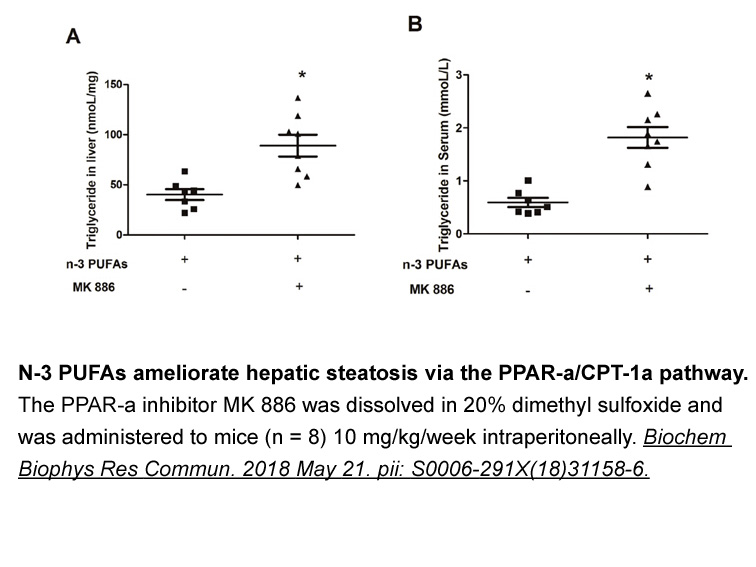
Hepatic EMD638683 and fibrosis are hallmarks of the NASH phenotype and are thought to occur in a subset of patients with NAFLD. While it is hypothesized that therapeutic lowering of hepatic lipids will be sufficient to improve hepatic fibrosis and inflammation secondarily, this remains controversial
-
br Conclusion P gingivalis expresses various exopeptidases i
2023-08-12
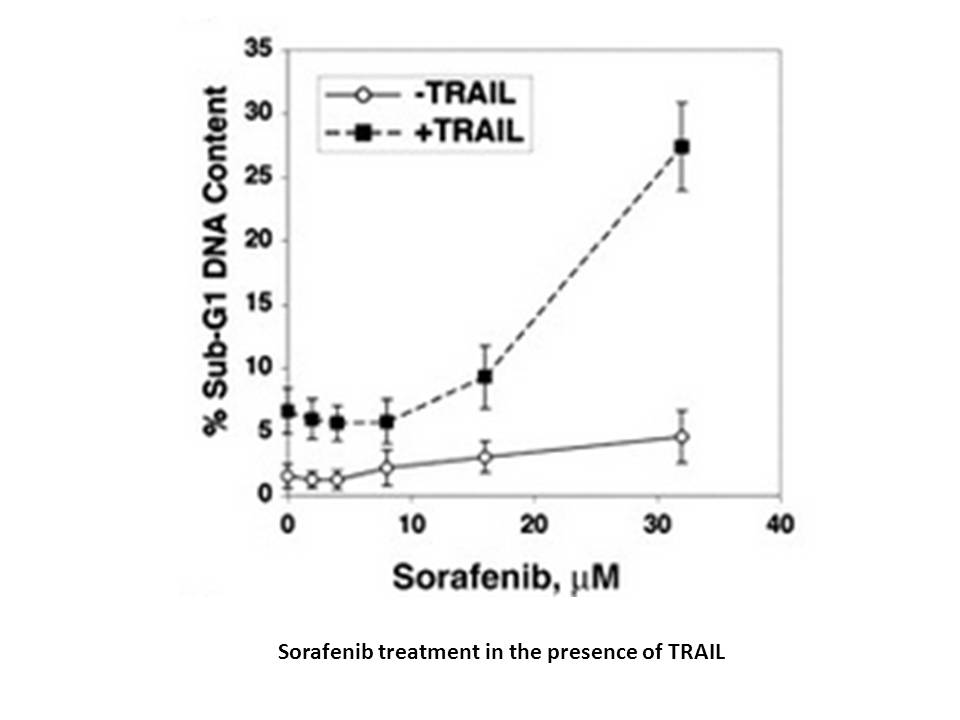
Conclusion P. gingivalis expresses various exopeptidases, i.e., DPP4, DPP5, DPP7, DPP11, PtpA, and AOP, in periplasmic space, which produce di- and tri-peptides from most oligopeptides. This oligopeptide processing step is important as an extracellular event in the Magnolol of asaccharolytic P. g
-
br We approached the definition
2023-08-12
We approached the definition of AD with the distinction between a syndrome and a disease in mind. Some will argue that a specific syndrome, that is, a multidomain amnestic dementia (after other potential etiologies have been excluded), should define AD in living people. Our position, however, is t
-
Atypically BcALDH has a minor reducing
2023-08-12
Atypically, BcALDH has a minor reducing activity for all-trans-retinal, which requires the binding of the reduced form of the NADP+ (NADPH) cofactor that is a side-product of the canonical oxidation activity of BcALDH. The reduction activity that converts all-trans-retinal to all-trans-retinol was r
-
Recent studies demonstrated that AHR has an important
2023-08-12
Recent studies demonstrated that AHR has an important role in the interplay between cancer metabolism and tumor-specific immunity. Tryptophan catabolism is increasingly recognized as a metabolic pathway that promotes tumorigenesis through its role in immune suppression [75]. The rate-limiting enzym
8602 records 337/574 page Previous Next First page 上5页 336337338339340 下5页 Last page