Archives
- 2026-10
- 2026-09
- 2026-08
- 2026-07
- 2026-06
- 2026-05
- 2026-04
- 2026-03
- 2026-02
- 2026-01
- 2025-12
- 2025-11
- 2025-10
- 2025-09
- 2025-03
- 2025-02
- 2025-01
- 2024-12
- 2024-11
- 2024-10
- 2024-09
- 2024-08
- 2024-07
- 2024-06
- 2024-05
- 2024-04
- 2024-03
- 2024-02
- 2024-01
- 2023-12
- 2023-11
- 2023-10
- 2023-09
- 2023-08
- 2023-07
- 2023-06
- 2023-05
- 2023-04
- 2023-03
- 2023-02
- 2023-01
- 2022-12
- 2022-11
- 2022-10
- 2022-09
- 2022-08
- 2022-07
- 2022-06
- 2022-05
- 2022-04
- 2022-03
- 2022-02
- 2022-01
-
Introduction Hepatocellular carcinoma HCC is one of the most
2024-04-24
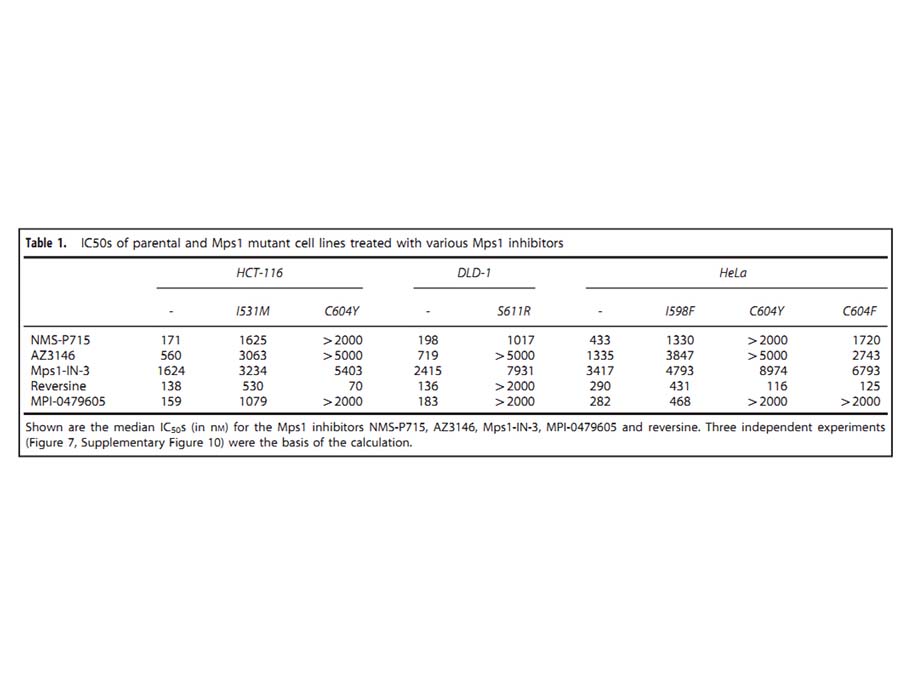
Introduction Hepatocellular carcinoma (HCC) is one of the most difficult cancers to treat, and it threatens human health severely [1]. Although various interventions, including surgical operation, radiofrequency ablation, and chemotherapy, have been endorsed, the prognosis of HCC patients remains p
-
The first and the best characterized mechanism of receptor d
2024-04-24
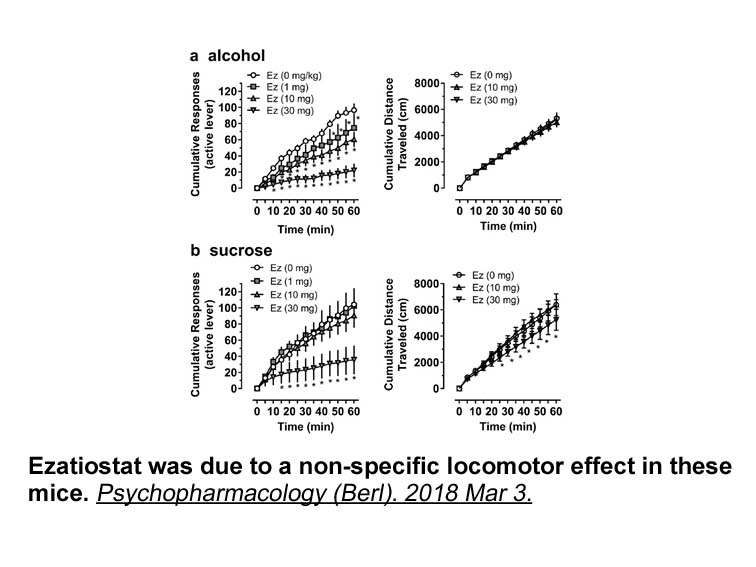
The first and the best-characterized mechanism of receptor-dependent internalization of Aβ is mediated via the α7-nicotinic hepititis b receptor [82]. Lipoprotein receptor protein represents the second best-studied route that facilitates the uptake of Aβ by neurons, involving additional molecules su
-
We have recently begun to demonstrate this concept by
2024-04-24
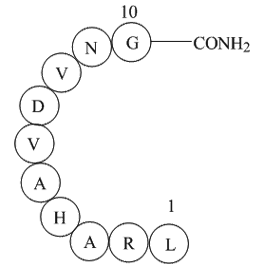
We have recently begun to demonstrate this concept by reporting a novel class of β-hairpin peptidomimetics, built on a piperidine-pyrrolidine semi-rigid β-turn inducer [12] and bearing two recognition pentapeptide sequences, designed on oligomeric and fibril structures of Aβ1-42 (compound 1, Fig. 1)
-
Cancer stem cells CSCs may have been first
2024-04-24
Cancer stem cells (CSCs) may have been first identified in teratocarcinomas [11], [12], with its initial clues date back to the 19th century [13]. Kleinsmith and Pierce [12] established the immortal pluripotent teratocarcinoma lines from a single transplanted multi-potent malignant cell, strongly su
-
AKT has been shown to
2024-04-24
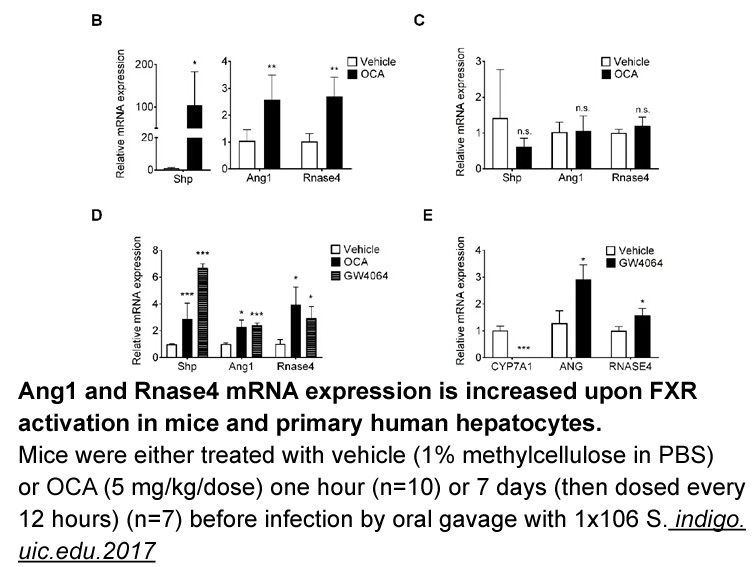
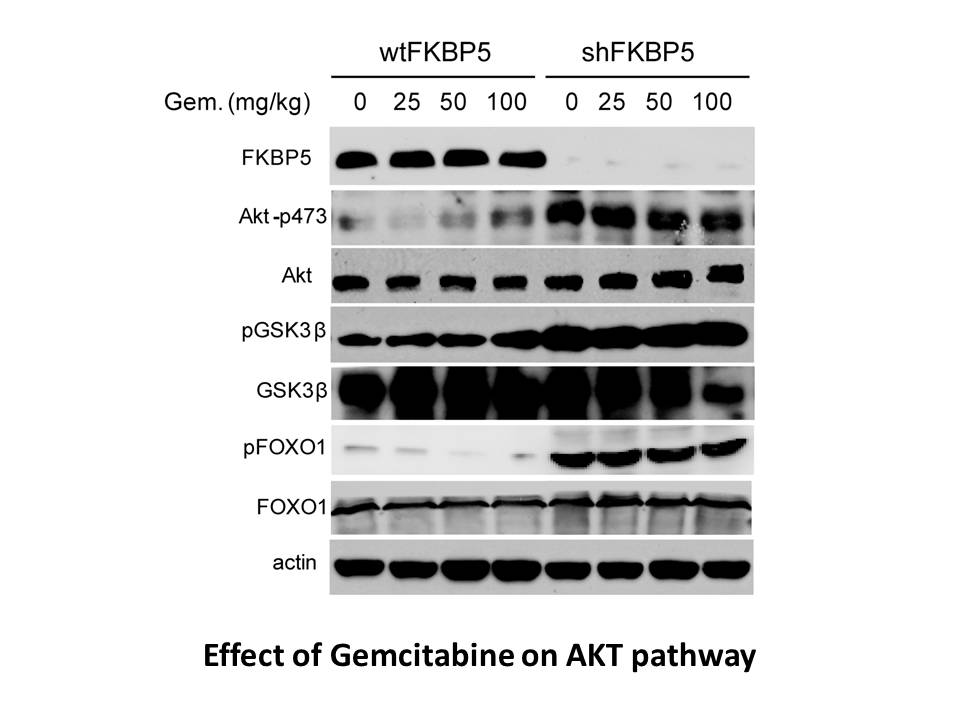
AKT1 has been shown to be important for G1-S checkpoint transition and proliferation, whereas AKT2 regulates cell-cycle exit through its interaction with p21 (Héron-Milhavet et al., 2006). In a recent study in triple negative breast cancer, AKT3, rather than AKT1 activity was most important for cell
-
br Conclusion br Conflict of interest
2024-04-24
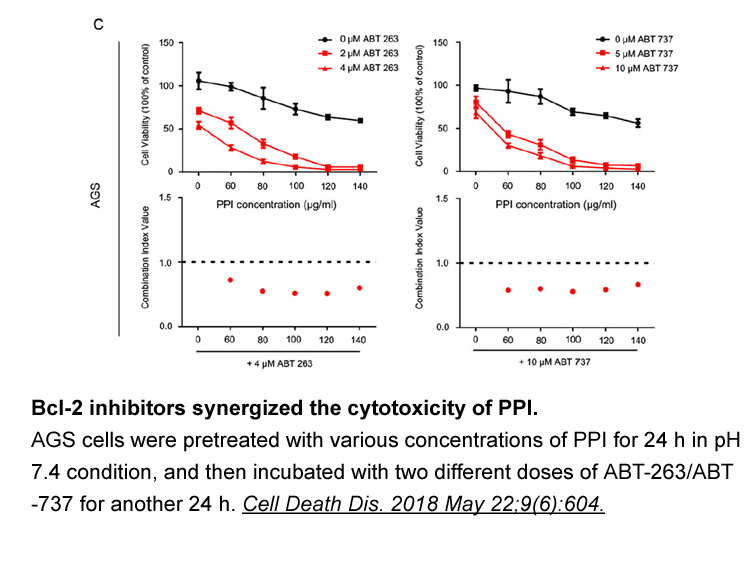
Conclusion Conflict of interest Introduction Oral cancer may originate from lips, lower and upper alveolar ridges, hard palate, sublingual region, buccal mucosa, anterior two-thirds of the tongue as well as retromolar trigone and floor of the mouth (World Health Organization, 2013). As the
-
Further examination of these vmat IR cells
2024-04-24
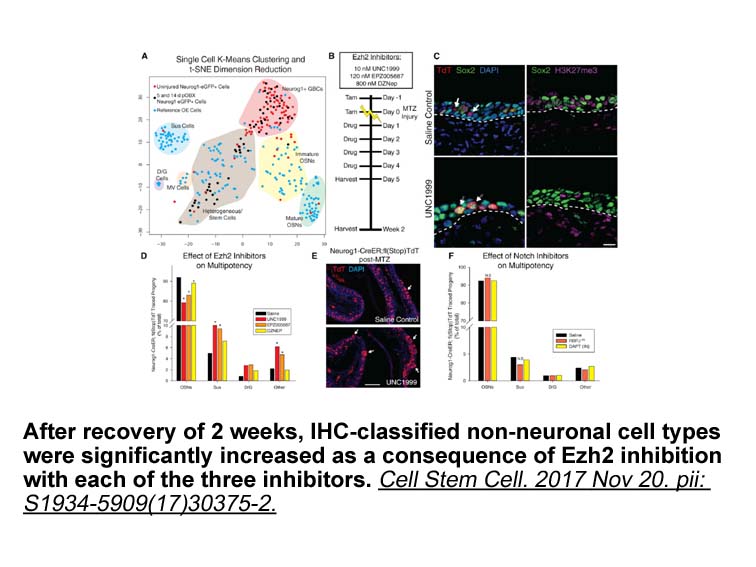
Further examination of these vmat-IR cells shows that they are also positive for vimentin (vim-IR) (Fig. 3A). However, within any one cell there may be a region of weaker vmat-IR, suggesting sub-cellular localization. As also shown in Fig. 3B and C not all vim-IR cells are vmat-IR suggesting that th
-
Two cell surface trans membrane receptors have been identifi
2024-04-24
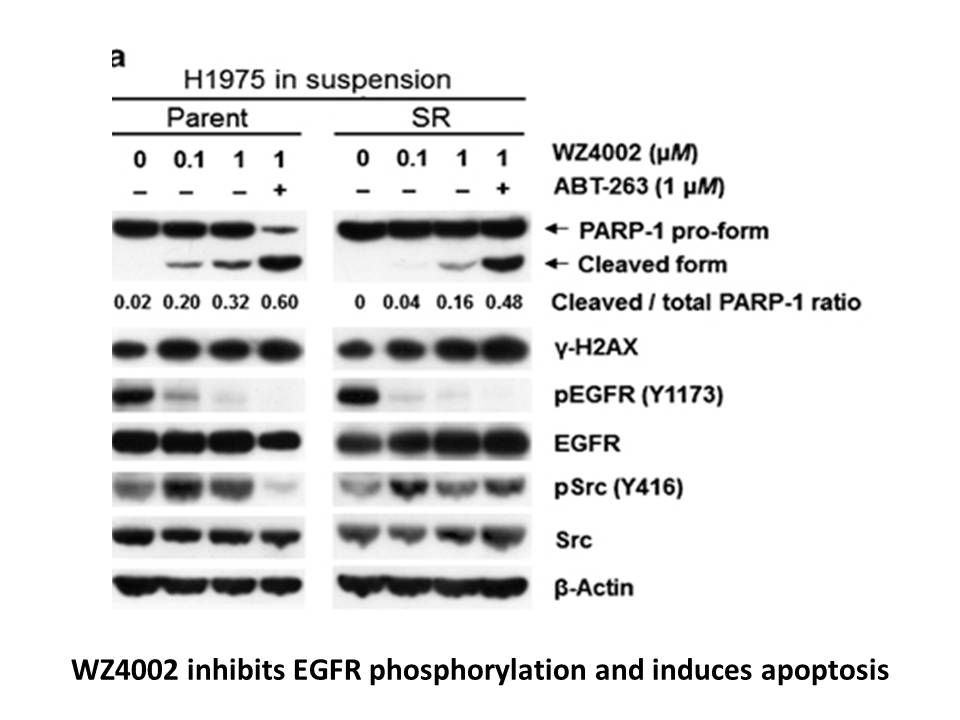
Two cell-surface trans-membrane receptors have been identified for adiponectin, AdipoR1 and AdipoR2 [21], and adiponectin action is known to signal through these receptors and the docking protein APPL1 [22]. In muscle and liver cells, signal transduction involves the phosphorylation and activation o
-
br Conclusions br Acknowledgments This research was funded b
2024-04-24
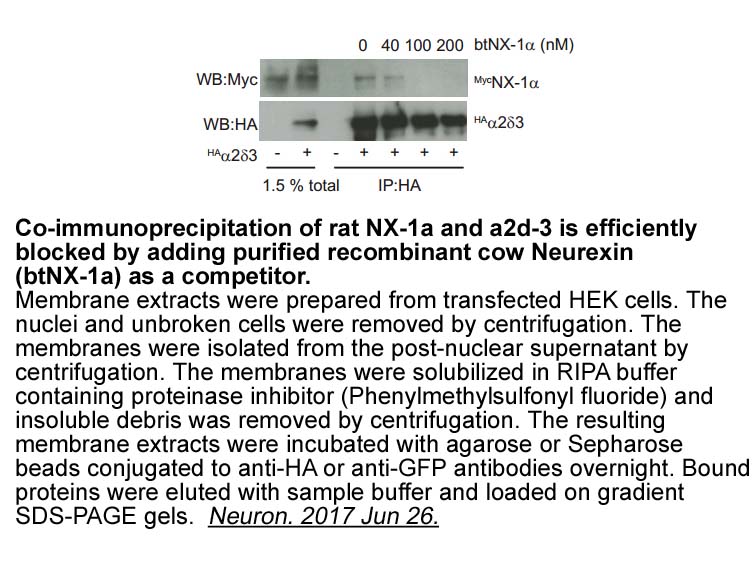
Conclusions Acknowledgments This research was funded by the National Science Foundation Committee (NSFC) of China (Nos. 81171058 and 81471146) and Capital Development Scientific Research in China (Nos. 2011-5001-04 and 2014-4-5013). We are grateful for all of the participants who donated blood
-
In this article we have outlined the
2024-04-24
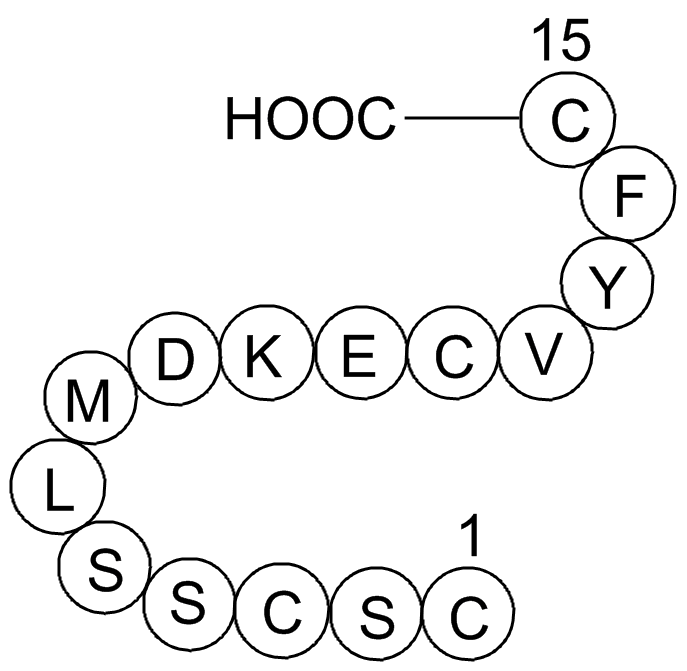
In this article, we have outlined the increasing, as yet still circumstantial evidence that the 6TM domains of bacterial ACs might operate as receptors for as yet unknown ligands. Intriguingly, several architectural arguments are also applicable to the 6TM domains of mammalian membrane-bound ACs (mA
-
Similarly Dilma et al tried to assess the diagnostic value
2024-04-24
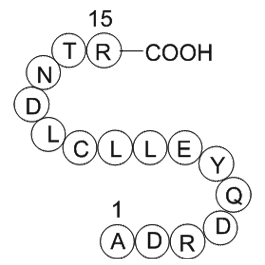
Similarly Dilmaç et al. [16] tried to assess the diagnostic value of adenosine deaminase activity in sputum of patients with pulmonary tuberculosis, their aim was to determine and compare sputum ADA activity in pulmonary tuberculosis, lung cancer and chronic obstructive pulmonary disease (COPD) pati
-
False positivity of Anti AChR Ab
2024-04-24
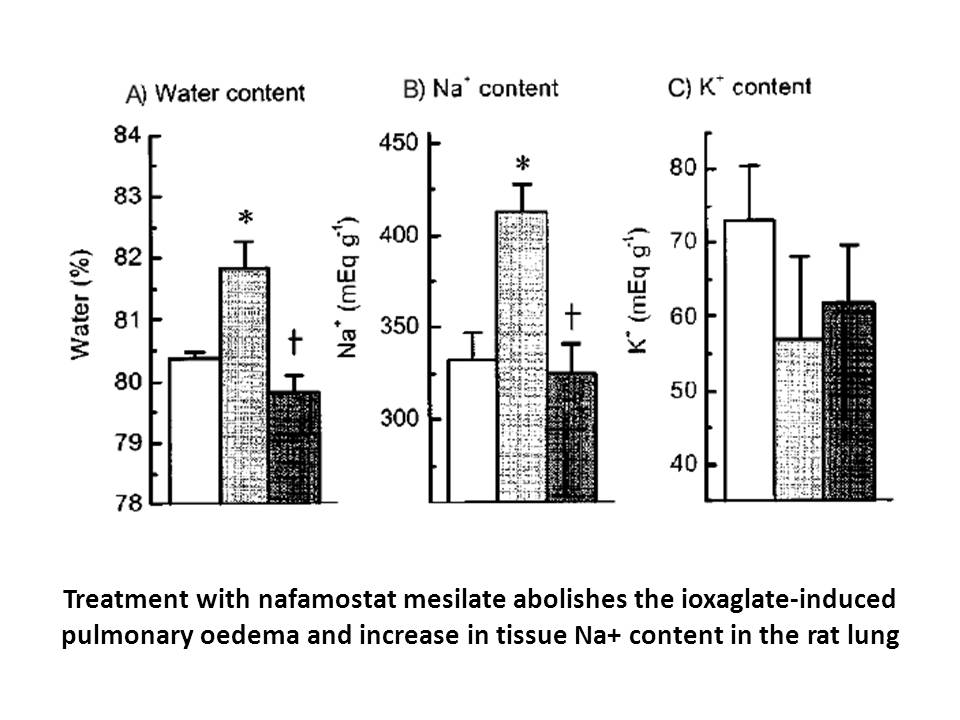
False positivity of Anti-AChR Ab titers, due to cross reactivity with bungarotoxin, has previously been demonstrated. One such study reported that patients with amyotrophic lateral sclerosis, who had received long term snake venom therapy, had developed antibodies to bungarotoxin and hence demonstra
-
Bioactive peptides contain amino acids
2024-04-24
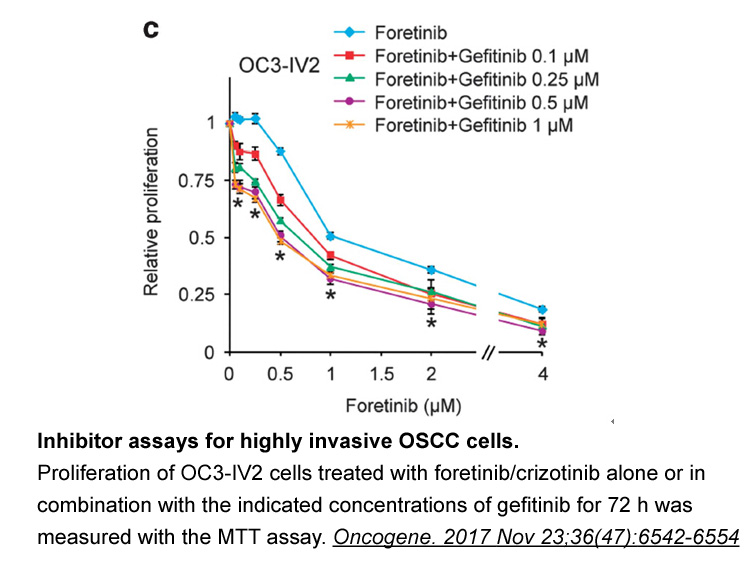
Bioactive peptides contain 2–20 amino acids with possible bioactivities including antihypertensive, antioxidant, antimicrobial, anticancer, and opioid activity [9], [10], [11]. There has been a great interest in antihypertensive peptides for their efficiency in lowering blood pressure. The antihyper
-
The srd a isoforms showed unique expression profiles
2024-04-24
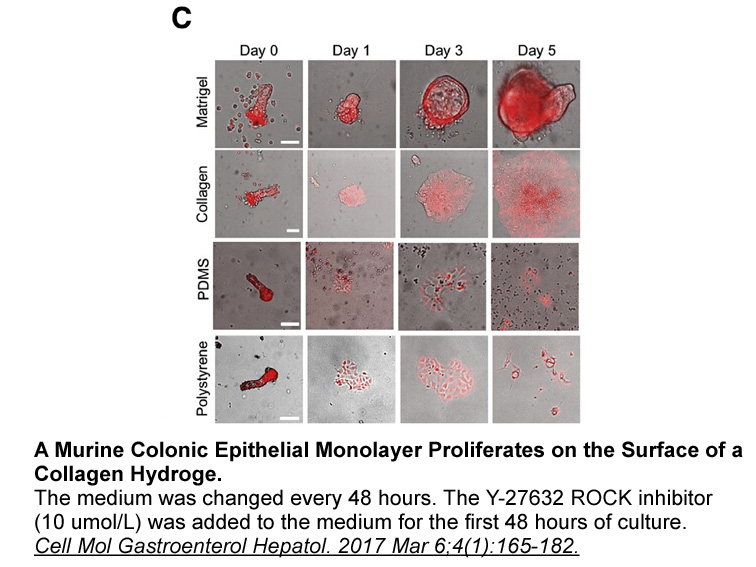
The srd5a isoforms showed unique expression profiles in early FHM development (Fig. 2). Similar to amphibian embryos, there was a high abundance of both srd5a1 and srd5a3 at 1dpf in FHMs, suggesting that mRNA for these enzymes may be maternally deposited and that these enzymes may play a key role in
-
HT receptors are distributed throughout the brain within
2024-04-24
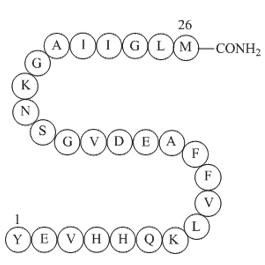
5-HT3 receptors are distributed throughout the brain, within the brainstem (e.g., nucleus tractus solitarius, area postrema and spinal trigeminal nucleus) and Rizatriptan Benzoate (e.g., hippocampus, amygdala, nucleus accumbens, putamen and caudate) (Abi-Dargham et al., 1993, Barnes et al., 1989, B
8603 records 197/574 page Previous Next First page 上5页 196197198199200 下5页 Last page