Archives
- 2026-10
- 2026-09
- 2026-08
- 2026-07
- 2026-06
- 2026-05
- 2026-04
- 2026-03
- 2026-02
- 2026-01
- 2025-12
- 2025-11
- 2025-10
- 2025-09
- 2025-03
- 2025-02
- 2025-01
- 2024-12
- 2024-11
- 2024-10
- 2024-09
- 2024-08
- 2024-07
- 2024-06
- 2024-05
- 2024-04
- 2024-03
- 2024-02
- 2024-01
- 2023-12
- 2023-11
- 2023-10
- 2023-09
- 2023-08
- 2023-07
- 2023-06
- 2023-05
- 2023-04
- 2023-03
- 2023-02
- 2023-01
- 2022-12
- 2022-11
- 2022-10
- 2022-09
- 2022-08
- 2022-07
- 2022-06
- 2022-05
- 2022-04
- 2022-03
- 2022-02
- 2022-01
-
br Methods for antifungal testing of
2024-06-08

Methods for antifungal testing of mucorales species The Clinical and Laboratory Standards Institute (CLSI) and European Committee on Antimicrobial Susceptibility Testing (EUCAST) reference methods currently in place for in vitro antifungal susceptibility testing of filamentous fungi [8], [9] have
-
Finally intracrine androgen synthesis metabolism can be acti
2024-06-08
Finally, intracrine androgen synthesis/metabolism can be activated thus allowing ARQ 621 to bypass the low levels of androgens in the circulation by producing androgens themselves (Cai and Balk, 2011, Rahman et al., 2004). Moreover, changes in AR co-regulators like the overexpression of steroid rece
-
There is a growing literature on ABCA expression in human
2024-06-07
There is a growing literature on ABCA2 expression in human biopsies, where it has been described as a potential biomarker of leukemias. In childhood T-cell acute lymphoblastic leukemia, ABCA2 and ABCA3 were expressed at high levels, which upon treatment with methotrexate, vinblastine and doxorubicin
-
br Concluding remarks Following the disappointing outcomes o
2024-06-07
Concluding remarks Following the disappointing outcomes of Aβ immunotherapy trials for AD [62], the current prevailing concept is that disease-modifying therapy must be initiated from the presymptomatic stage of the disease because of the presumed incurability of chronic diseases once they become
-
In conclusion the results of this investigation suggest that
2024-06-07
In conclusion, the results of this investigation suggest that the involvement of PGE2 in the pathogenesis of pulpal inflammation and repair may be related to its induction of cAMP production. PGE2-induced cAMP production in dental pulp cells is mediated by binding to the EP2 receptor, activation of
-
Andarine australia B lymphocytes are found in blood lymph
2024-06-07
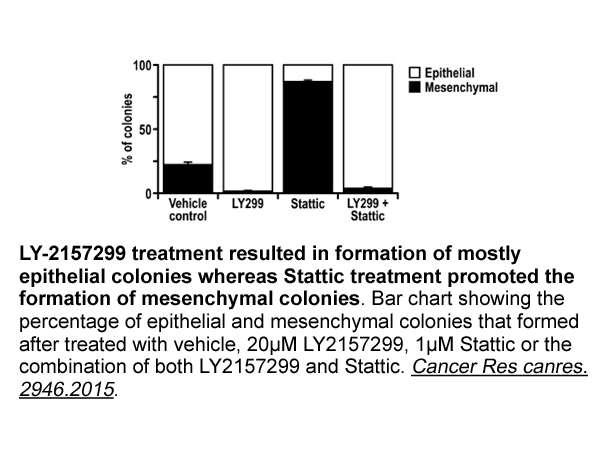
B lymphocytes are found in blood, lymph nodes, spleen and tonsil and other mucosal tissues [110]. These cells originate in the bone marrow from a common progenitor shared with T, NK, and some DC subsets [111]. Progenitor Andarine australia progress through the early stages of maturation, rearrangin
-
Introduction Microdialysis is an in vivo
2024-06-07
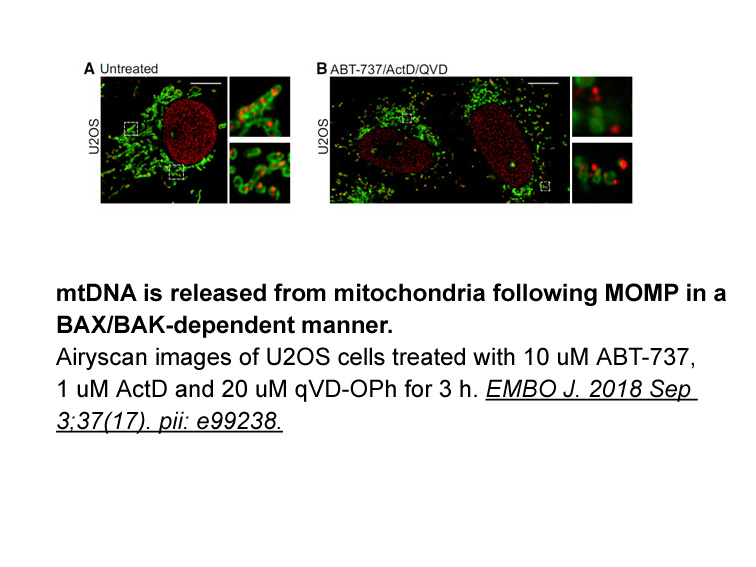
Introduction Microdialysis is an in vivo-technique which allows continuous sampling of small molecular weight substances (such as neurotransmitters, metabolites and neuropeptides) from the extracellular space of different tissues or organs, e.g. brain, muscle or skin. While the implantation of the
-
The reaction of LOX with unlabeled
2024-06-07
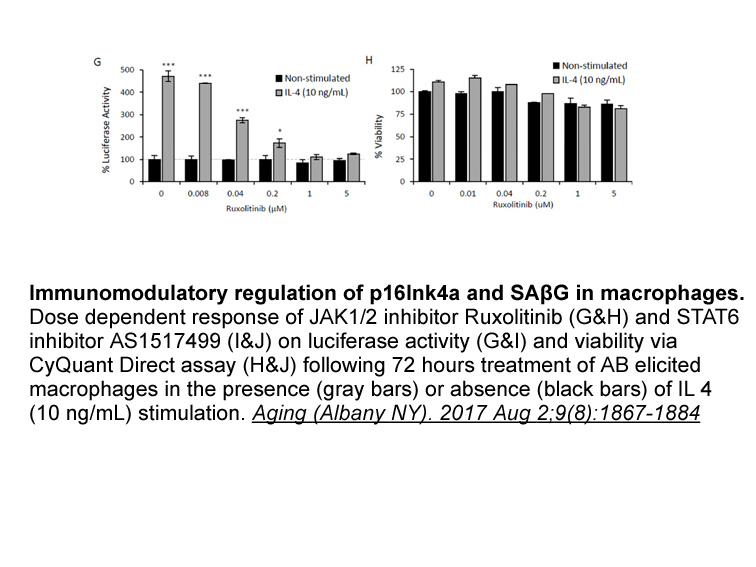
The reaction of 5-LOX with unlabeled AA generated products from hydrogen abstraction at C7 (95% 5-HETE) with minor products derived from abstraction at C10 (5% 8-HETE). With 7,7--AA the selectivity remained skewed towards C7 hydrogen abstraction (59%) compared to C10 hydrogen abstraction products (4
-
Regarding brain tumors AXL has been implicated in gliomagene
2024-06-07
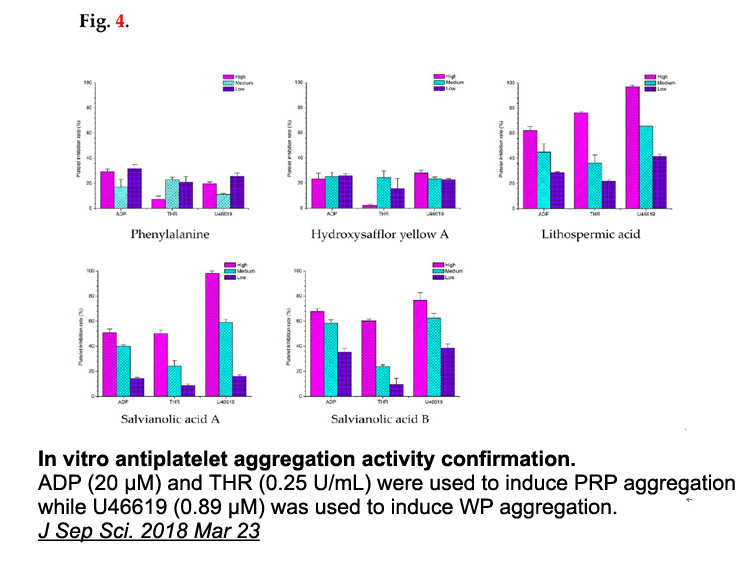
Regarding Pexidartinib tumors, AXL has been implicated in gliomagenesis and chemoresistance [39]. Previous investigations found that AXL is constitutively phosphorylated in many glioma cell lines, murine xenograft tumors and primary patient tumor samples [40]. Immunohistochemical analysis of AXL and
-
Aurora A and B are required for the control of
2024-06-07
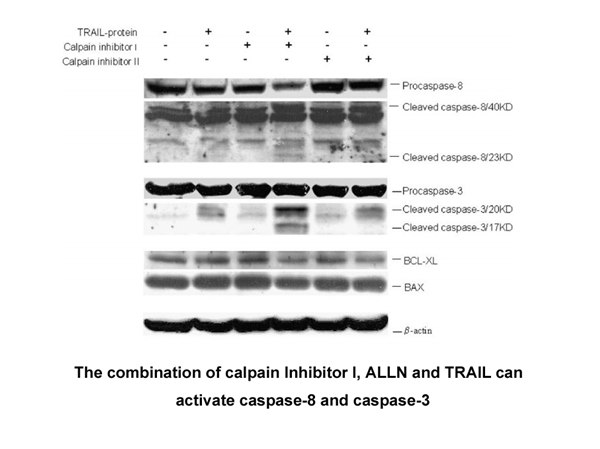
Aurora A and B are required for the control of mitosis whereas Aurora C is mainly invoved in meiosis (Goldenson and Crispino, 2015). Interestingly, Aurora B is partnered with inner centromere protein (INCENP), survivin and Borealin to form a chromosomal passenger complex (CPC) that is critical for t
-
Introduction Lipoxygenases LOXs are key enzymes
2024-06-07
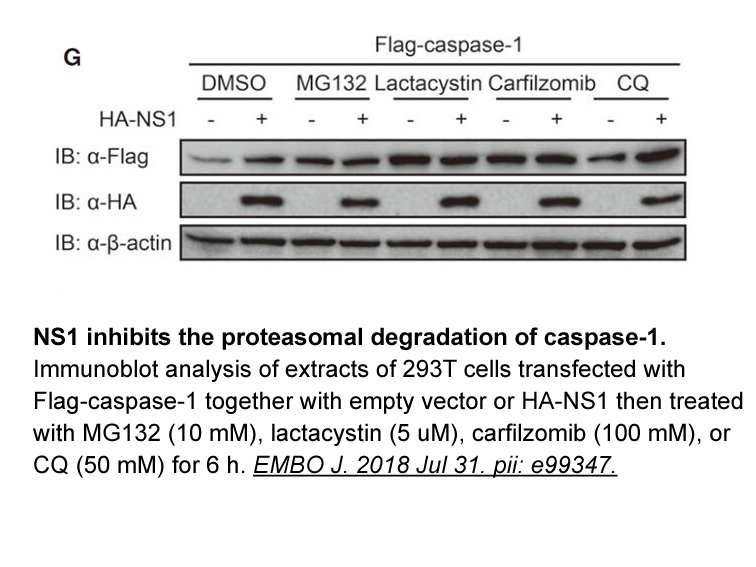
Introduction Lipoxygenases (LOXs) are key enzymes that catalyze the polyunsaturated fatty acids (PUFAs) such as arachidic Costunolide (AA), linoleic acid (LA) and others unsaturated fatty acids (Brash, 1999). LOXs are expressed in immune, neural, epithelial, tumor cells and other cells (Claesson, 2
-
Although the gene that encodes DHFR has been
2024-06-06
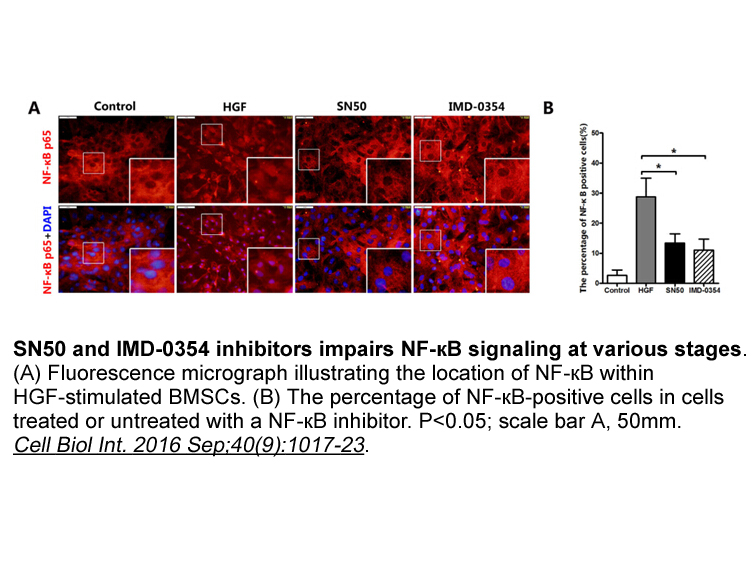
Although the gene that encodes DHFR has been strongly conserved during evolution, subtle differences in the active sites of bacterial, human and parasite PKA inhibitor fragment (6-22) amide have been exploited to develop DHFR inhibitors specific to particular pathogens 1, 3. For example, pyrimethami
-
Plant defensins Vriens et al and linear AMPs
2024-06-06
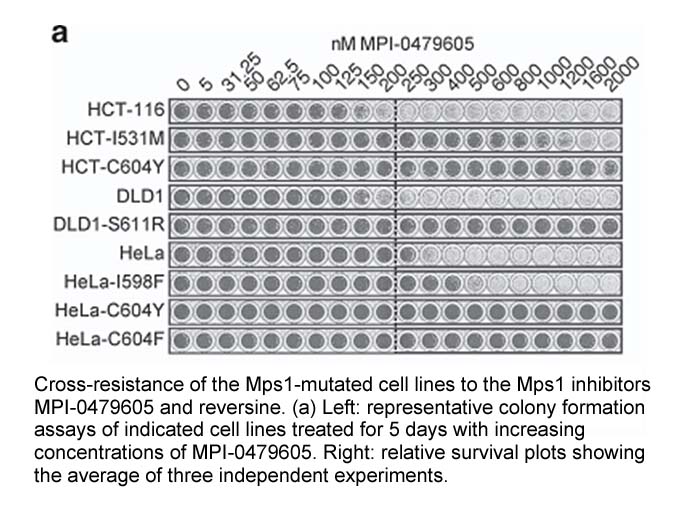
Plant defensins (Vriens et al., 2014) and linear AMPs (Domingues et al., 2015, Liu et al., 2008) have been shown to present several modes of action. Among these different mechanisms, permeabilization of the fungal membrane has been described as a secondary effect of plant defensin action (Vriens et
-
Introduction Cardiovascular disease is the principal cause o
2024-06-06
Introduction Cardiovascular disease is the principal cause of morbidity and mortality in patients with (3S,5S)-Atorvastatin sodium salt receptor (1). Comprehensive management of these patients includes not only adequate glycemic control but also attention to additional recognized risk factors. Hyp
-
br AMPK as a druggable target AMPK signaling has
2024-06-06

AMPK as a druggable target AMPK signaling has attracted considerable attention within the past decades, owing to the capacity of pharmacological compounds (e.g., 5-aminoimidazole-4-carboxamide-1-β-D-ribofuranoside [AICAR] and metformin) or natural compounds (e.g., resveratrol) to activate AMPK in
8602 records 169/574 page Previous Next First page 上5页 166167168169170 下5页 Last page