Archives
- 2026-07
- 2026-06
- 2026-05
- 2026-04
- 2026-03
- 2026-02
- 2026-01
- 2025-12
- 2025-11
- 2025-10
- 2025-09
- 2025-03
- 2025-02
- 2025-01
- 2024-12
- 2024-11
- 2024-10
- 2024-09
- 2024-08
- 2024-07
- 2024-06
- 2024-05
- 2024-04
- 2024-03
- 2024-02
- 2024-01
- 2023-12
- 2023-11
- 2023-10
- 2023-09
- 2023-08
- 2023-07
- 2023-06
- 2023-05
- 2023-04
- 2023-03
- 2023-02
- 2023-01
- 2022-12
- 2022-11
- 2022-10
- 2022-09
- 2022-08
- 2022-07
- 2022-06
- 2022-05
- 2022-04
- 2022-03
- 2022-02
- 2022-01
- 2021-12
- 2021-11
- 2021-10
- 2021-09
- 2021-08
- 2021-07
- 2021-06
- 2021-05
- 2021-04
- 2021-03
- 2021-02
- 2021-01
- 2020-12
- 2020-11
- 2020-10
- 2020-09
- 2020-08
- 2020-07
- 2020-06
- 2020-05
- 2020-04
- 2020-03
- 2020-02
- 2020-01
- 2019-12
- 2019-11
- 2019-10
- 2019-09
- 2019-08
- 2019-07
- 2019-06
- 2019-05
- 2019-04
- 2018-11
- 2018-10
- 2018-07
-
Arsenic could cause apoptosis in both benign and malignant
2020-09-21
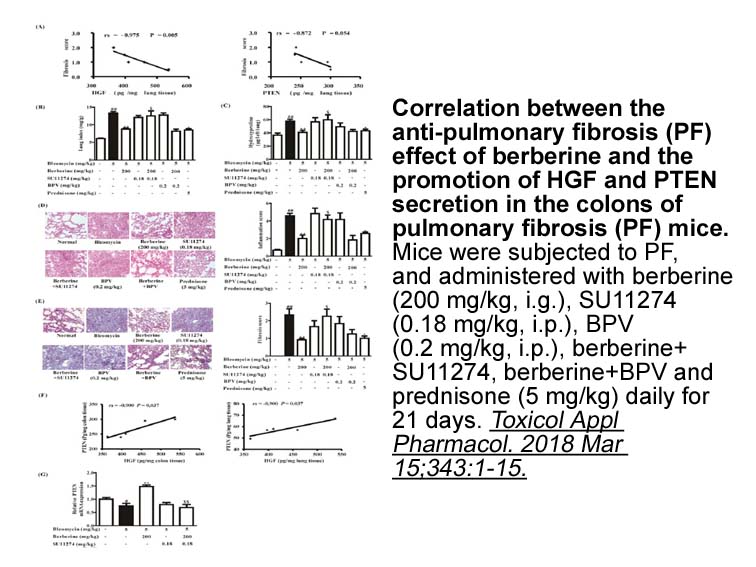
Arsenic could cause apoptosis in both benign and malignant cells (Akao et al., 2000, Gupta et al., 2003, Namgung and Xia, 2001). However, at present, little is known about the consequences of arsenic-treated urothelial cells in autophagy and expression of its related proteins. In addition, the alter
-
Instead of receptor interaction or GT activity we
2020-09-21

Instead of receptor interaction or GT activity, we focused on the CPD and autoprocessing. The CPDs from the 2 toxins are highly homologous: each cysteine protease targets an intramolecular substrate and mediates InsP6-induced autoprocessing to release the GTD into host cytosol.40, 41 However, TcdB i
-
Introduction Eicosanoid lipid prostaglandin D PGD
2020-09-19
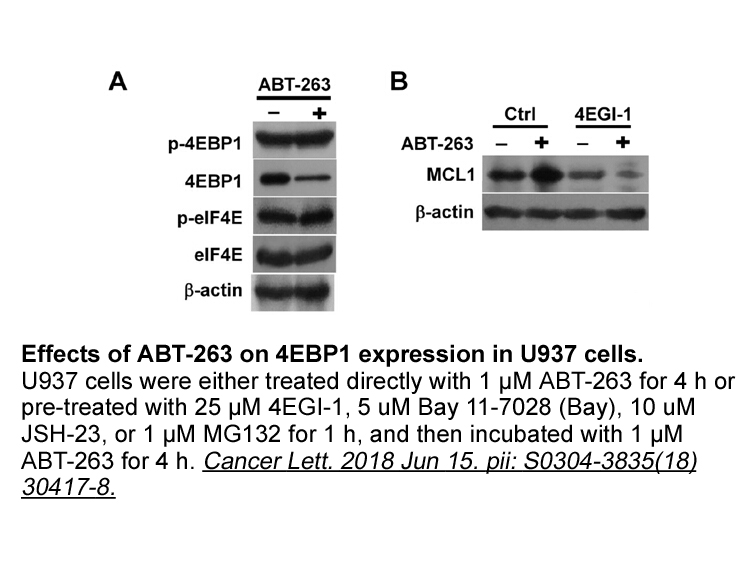
Introduction Eicosanoid lipid prostaglandin D2 (PGD2) is the major prostaglandin produced by activated mast XL413 hydrochloride (Lewis and Austen, 1981). The physiological function of PGD2 is mainly mediated by two G protein-coupled receptors (GPCRs), PGD2 receptor 1 and 2 (DP1 and DP2), which sha
-
Another breakthrough towards the understanding
2020-09-19
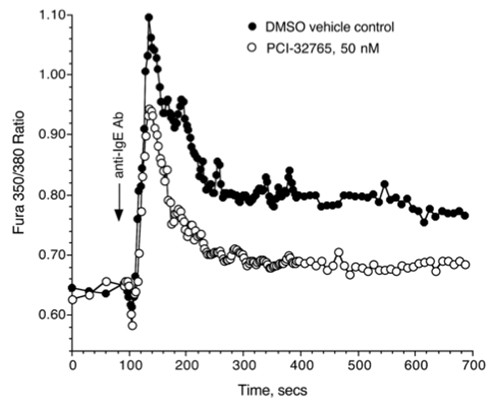
Another breakthrough towards the understanding of the mechanisms responsible for stress-induced relapse to drug seeking behaviour is the evidence published by the group of Wise [34] in which they show that the activation of VTA CRF2 and not CRF1 receptors is responsible for stress-mediated relapse t
-
Stress is usually comprehended as an
2020-09-19
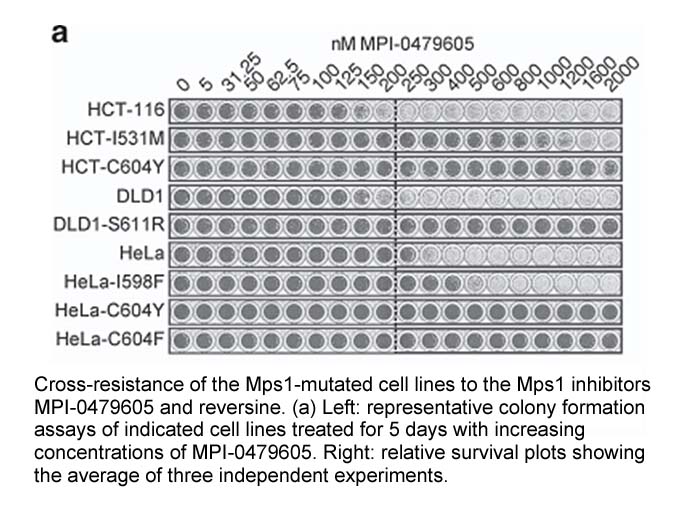
Stress is usually comprehended as an event affecting mainly the HPA axis and initiating the alarm reaction represented by activation of the adrenal medulla. This means that the levels of related hormones and neurotransmitters are significantly elevated during and after the stress. CRF, following its
-
Introduction Postoperative delirium POD is
2020-09-19
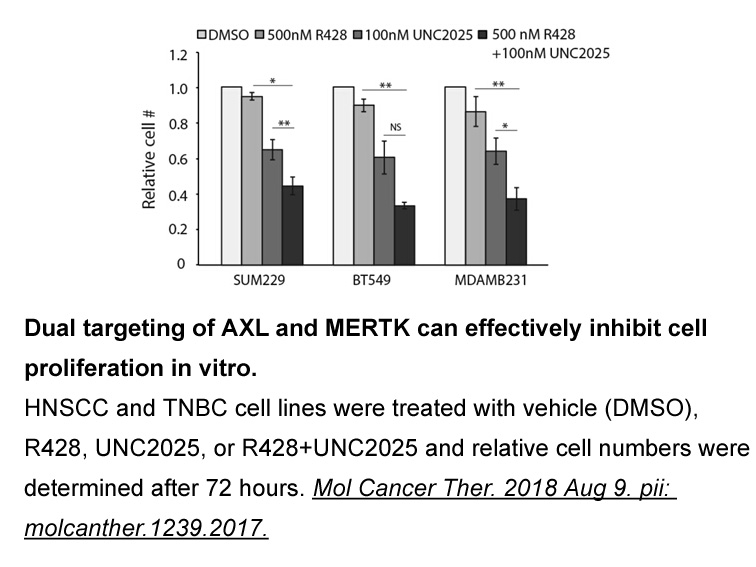
Introduction Postoperative delirium (POD) is a potentially debilitating disorder experienced by many elderly patients admitted to a surgical intensive care unit (ICU) after noncardiac surgery. Delirium is often defined as acute cognitive dysfunction that is characterized by an altered mental status
-
Rat pheochromocytoma PC cells have been widely used
2020-09-19
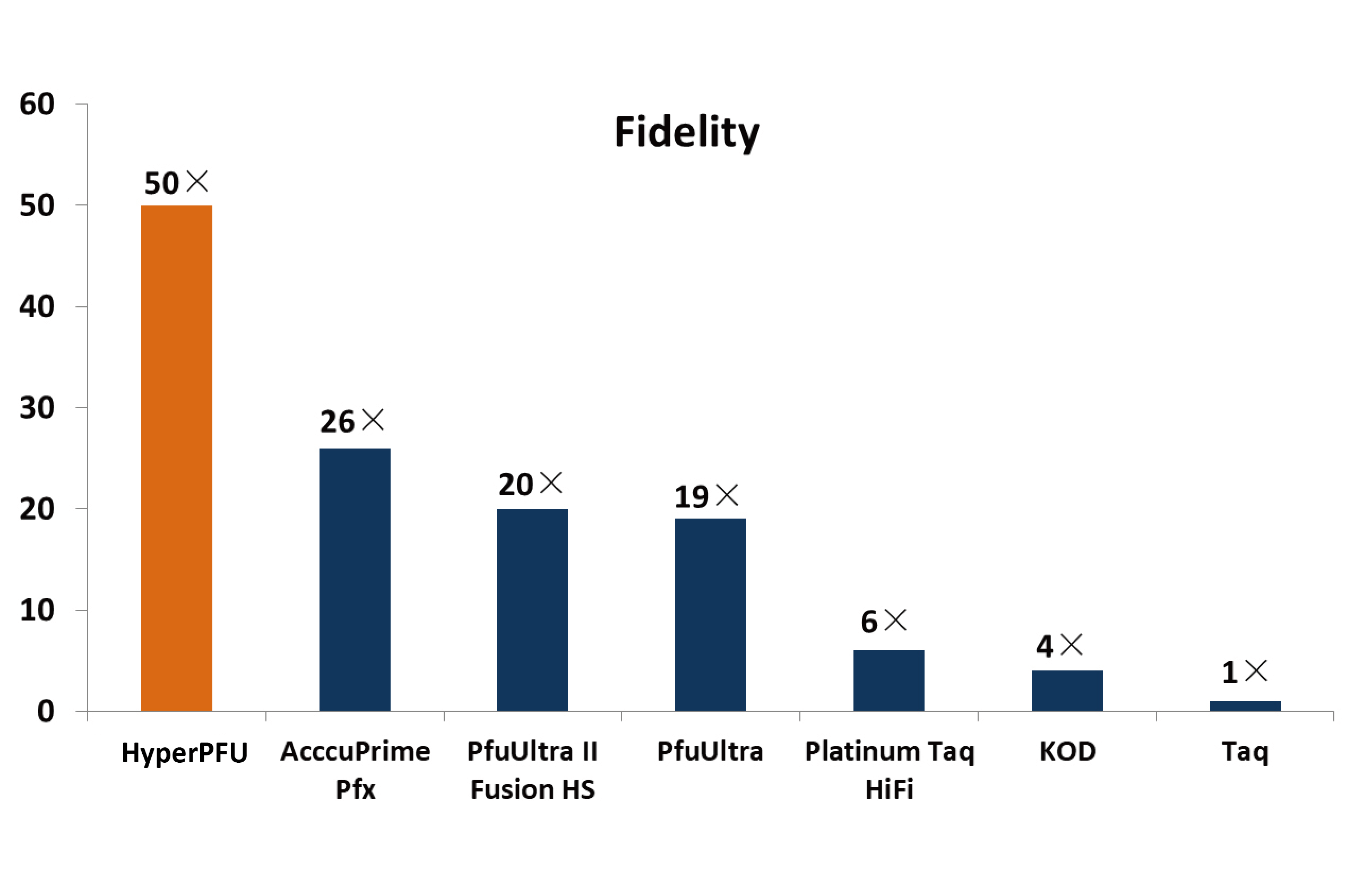
Rat pheochromocytoma PC12 cells have been widely used as a cell system to study intracellular signaling leading to neurite outgrowth. The advantages of using PC12 cells in the CHK studies are the fact that they naturally express the rat form of CHK and the observation that down-regulation of CHK fun
-
Interestingly increased level of both circulating ET and uri
2020-09-19
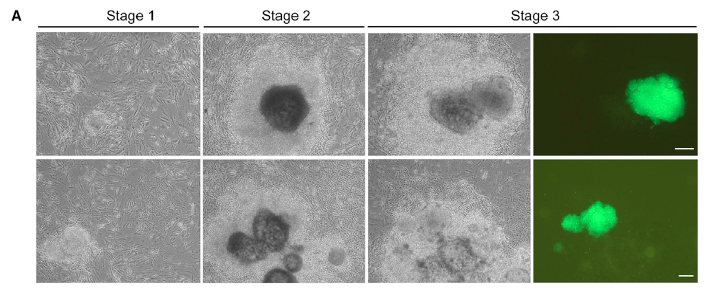
Interestingly, increased level of both circulating ET-1 and urinary excretion of ET-1 have been observed in patients treated with nephrotoxic immunosuppressive agents as cyclosporine A and tacrolimus (Slowinski et al., 2002). Other nephrotoxic agents, such as cisplatin, also increase urinary excreti
-
Since clinical studies mostly involved cases
2020-09-19
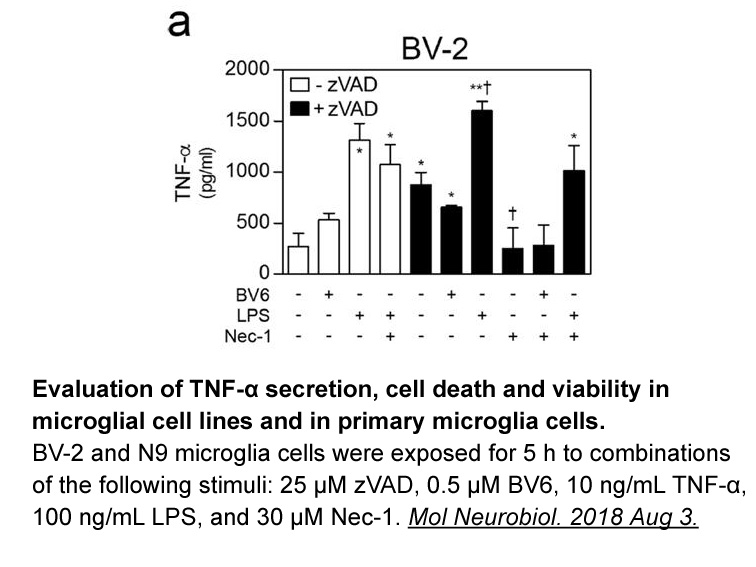
Since clinical studies mostly involved cases that used MPA, data from studies that examined other types of progestogens are very limited. While the WHI study examined the combination of conjugated equine estrogens plus MPA [1], the Million Women Study [2] that also demonstrated an increased risk of
-
In bone PGE exerts both anabolic and
2020-09-19
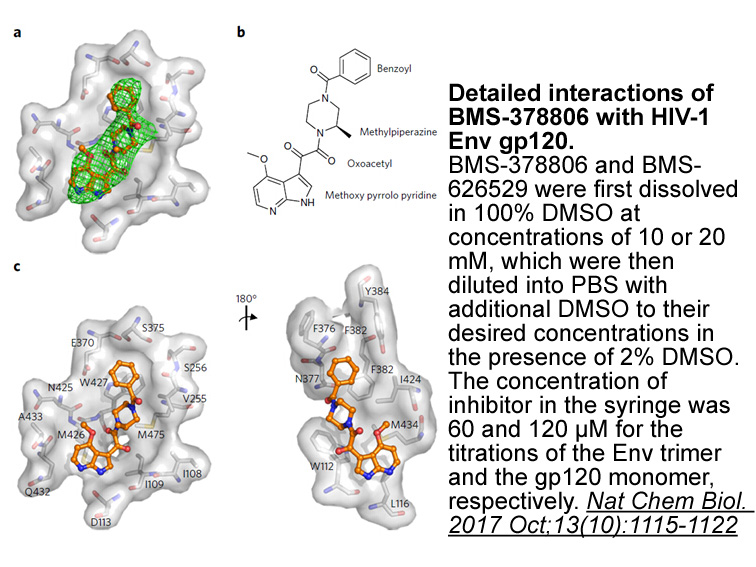
In bone, PGE2 exerts both anabolic and catabolic effects [6], [7], [8], [9]. Administration of PGE2 to mice lacking each of the four prostanoid receptors identified EP4 as the primary mediator of PGE2-induced bone formation [10]. While the role of EP1 in osteoblastic differentiation and bone metabol
-
br Summary and perspectives In recent decades
2020-09-19
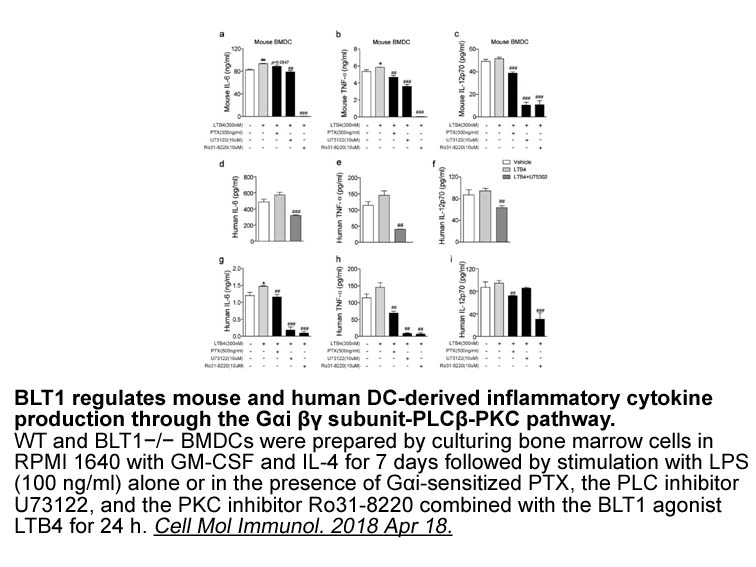
Summary and perspectives In recent decades, enormous advances have been achieved in the development of enzyme-activatable imaging probes, enabling the accurate detection of enzyme activity in vivo to better understand the biological function of enzymes in disease processes. Activatable probes are
-
Nrf and HO are key factors in the regulation
2020-09-19
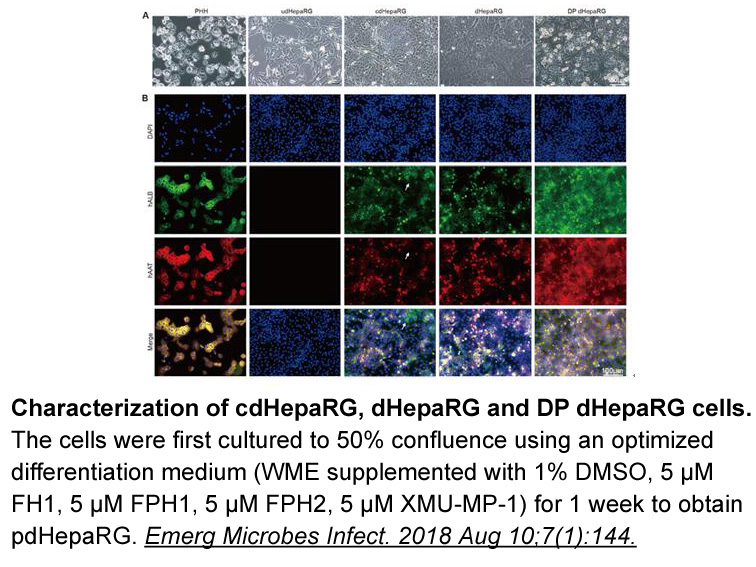
Nrf2 and HO-1 are key factors in the regulation of oxidative stress in the body. Research has shown that KLF2 can activate Nrf2 and HO-1 [14]. To investigate the mechanisms by which KLF2 regulates eNOS uncoupling and oxidative stress, Nrf2 was inhibited or HO-1 was knocked down in KLF2 overexpressin
-
The activity of cysteine endopeptidases involved in
2020-09-19
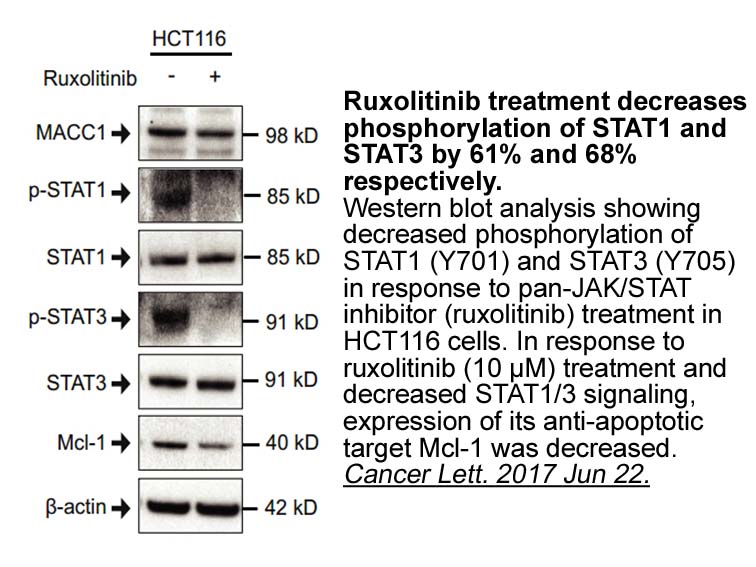
The activity of cysteine endopeptidases involved in the germination of caryopses is generally regulated at two levels: the hormonal induction of synthesis by gibberellins (Drzymała et al., 2008) and a putative regulation of activity by phytocystatines (Kiyosaki et al., 2007, Martinez et al., 2009),
-
The important role of miRNAs
2020-09-18
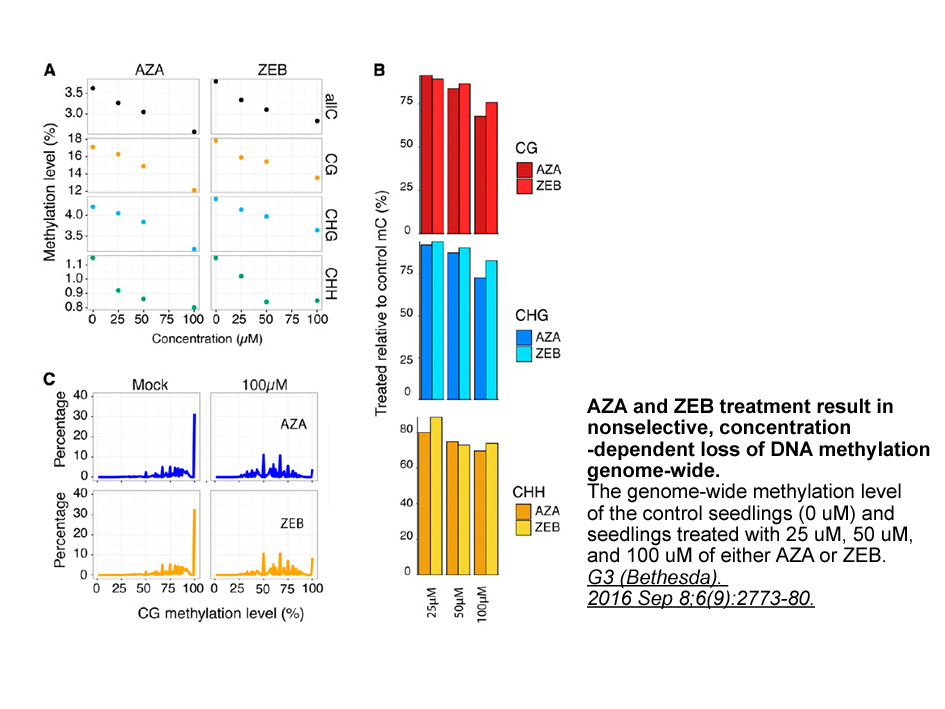
The important role of miRNAs in cellular differentiation has been proposed recently. Previous studies had suggested roles for different miRNAs during osteogenesis [20]. Certain miRNAs could promote osteoblast differentiation, such as miR-194 [20], whereas others could inhibit the cell differentiatio
-
DNA damage represents a persistent threat to genomic stabili
2020-09-18
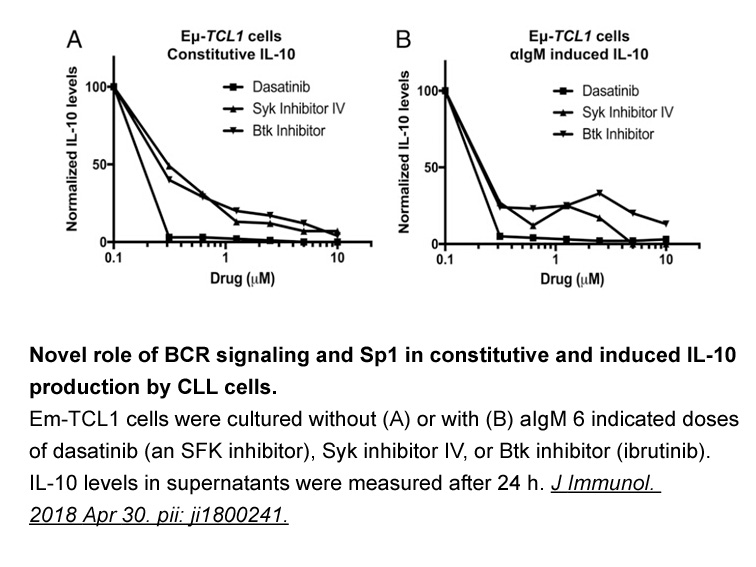
DNA damage represents a persistent threat to genomic stability. A critical link exists between DNA mutation, chromosomal rearrangement and cancer development. In myeloid malignancies, various chromosomal translocations and/or mutations increased cellular reactive oxygen species (ROS), followed by DS
16754 records 830/1117 page Previous Next First page 上5页 826827828829830 下5页 Last page