Archives
- 2026-07
- 2026-06
- 2026-05
- 2026-04
- 2026-03
- 2026-02
- 2026-01
- 2025-12
- 2025-11
- 2025-10
- 2025-09
- 2025-03
- 2025-02
- 2025-01
- 2024-12
- 2024-11
- 2024-10
- 2024-09
- 2024-08
- 2024-07
- 2024-06
- 2024-05
- 2024-04
- 2024-03
- 2024-02
- 2024-01
- 2023-12
- 2023-11
- 2023-10
- 2023-09
- 2023-08
- 2023-07
- 2023-06
- 2023-05
- 2023-04
- 2023-03
- 2023-02
- 2023-01
- 2022-12
- 2022-11
- 2022-10
- 2022-09
- 2022-08
- 2022-07
- 2022-06
- 2022-05
- 2022-04
- 2022-03
- 2022-02
- 2022-01
- 2021-12
- 2021-11
- 2021-10
- 2021-09
- 2021-08
- 2021-07
- 2021-06
- 2021-05
- 2021-04
- 2021-03
- 2021-02
- 2021-01
- 2020-12
- 2020-11
- 2020-10
- 2020-09
- 2020-08
- 2020-07
- 2020-06
- 2020-05
- 2020-04
- 2020-03
- 2020-02
- 2020-01
- 2019-12
- 2019-11
- 2019-10
- 2019-09
- 2019-08
- 2019-07
- 2019-06
- 2019-05
- 2019-04
- 2018-11
- 2018-10
- 2018-07
-
Most studies to date have focused on the physiological funct
2021-09-08
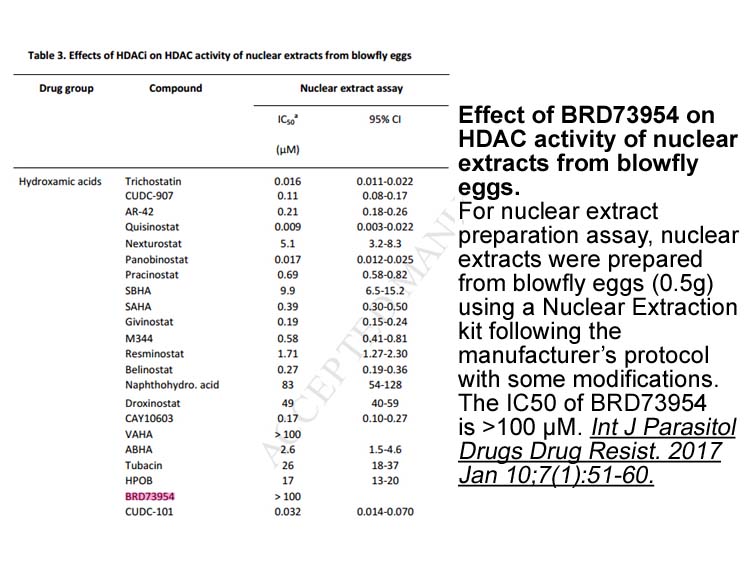
Most studies to date have focused on the physiological functions of FPS in plants. As mentioned above, numerous factors affect FPS expression and FPS function. However, FPS enzymatic assays require radiolabeled substrate and thus detailed enzymatic characterizations of FPS, including substrate speci
-
br Conclusion br Conflict of interest
2021-09-07
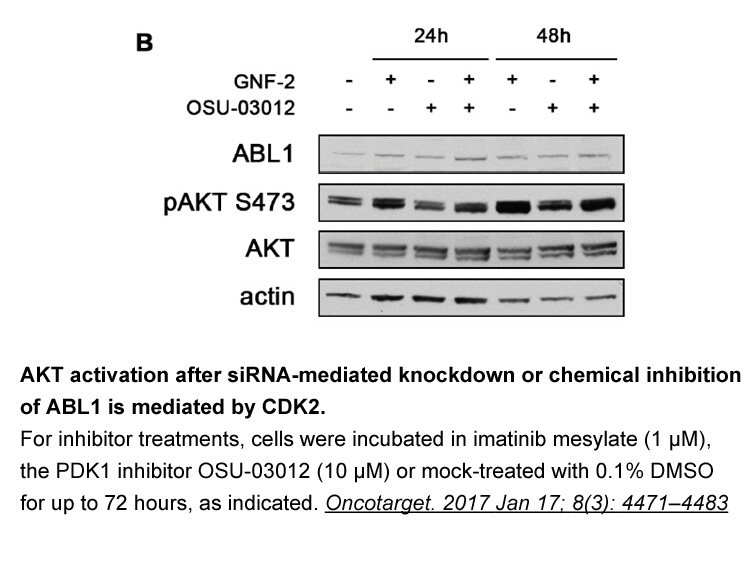
Conclusion Conflict of interest Introduction The human epithelial receptor 2 (HER2 or erbb2) is a member of the epidermal growth factor receptor (EGFR) family of receptor tyrosine kinases that act through the EGF signaling cascade [1,2]. Approximately 20% of breast cancers overexpress HER2
-
HDAC enzymes oppose the effects of HATs by reversing
2021-09-07

HDAC enzymes oppose the effects of HATs by reversing lysine acetylation, an action that restores the positive charge of the lysine thus stabilizing the local chromatin structure. By removing acetyl groups from ε-amino lysines of proteins, HDACs not only alter transcription, but also promote either t
-
br Conclusion and perspectives Guanylyl cyclases are
2021-09-07
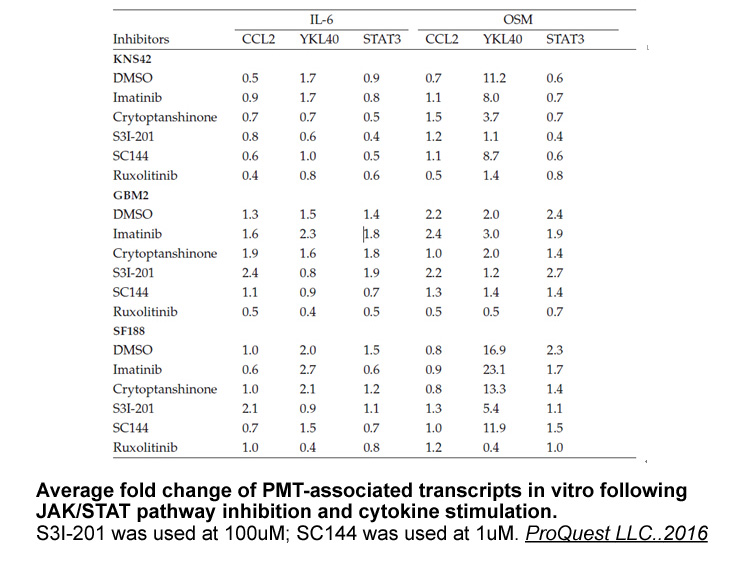
Conclusion and perspectives Guanylyl cyclases are ubiquitous enzymes that regulate critical functions in bacteria to humans. In mammals there are seven mGCs and activators of all members have now been identified. Mutations in the genes that encode mGCs or pathologic activation of these enzymes or
-
These and other observations presented in the elegant rigoro
2021-09-07
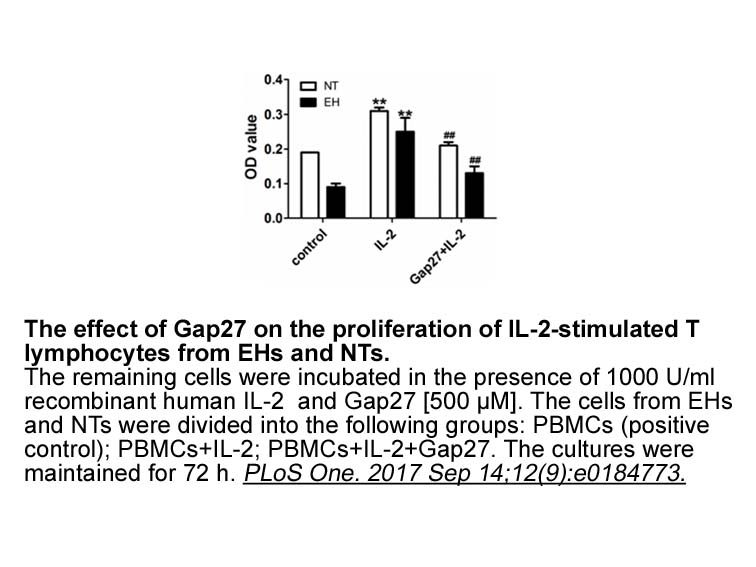
These and other observations presented in the elegant, rigorous study by Thomas et al. (2018) clarify a puzzling enigma regarding the Rab specificities of yeast TRAPP complexes and further highlight an important though under-appreciated role for the C-terminal HVD of Rabs in GEF substrate selection.
-
br Concluding remarks Several orphan GPCRs have expression
2021-09-07
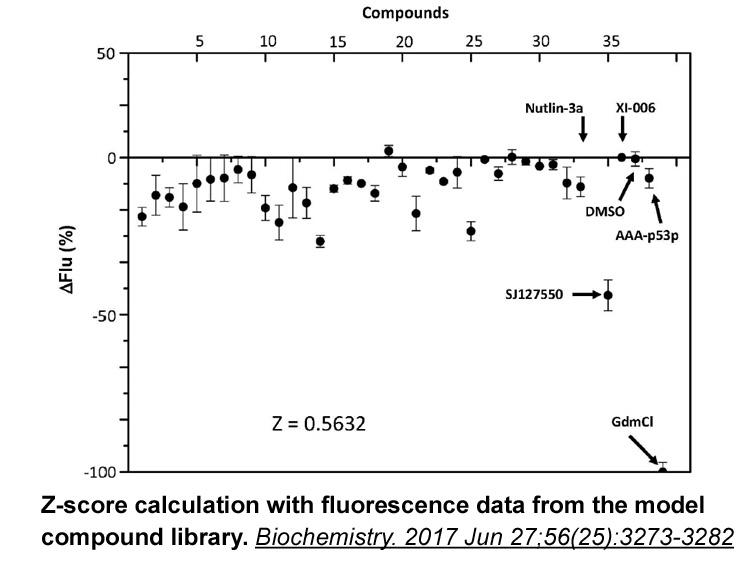
Concluding remarks Several orphan GPCRs have expression profiles that indicate they are worthy of consideration as therapeutic targets. This view can be supported via various transgenic techniques, and it would be interesting to have wide-ranging phenotypic information on GPR35 knockout mice. Bas
-
Acknowledgment br Main Text From birth to adulthood humans
2021-09-07
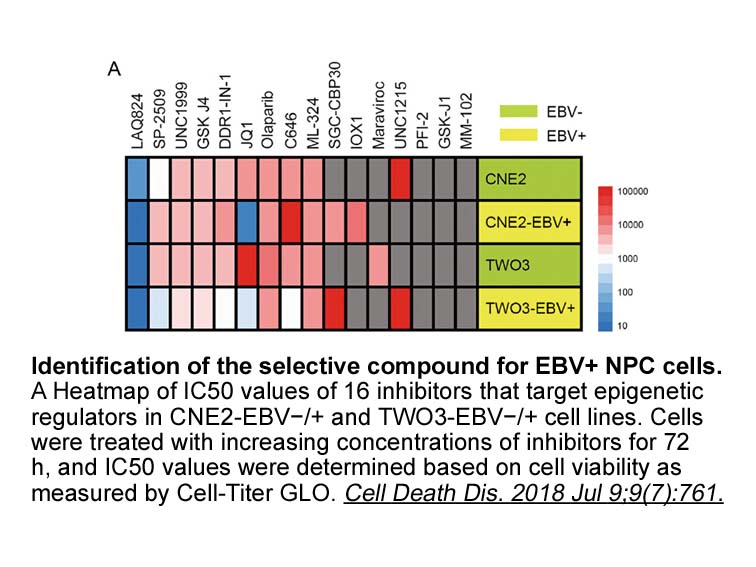
Acknowledgment Main Text From birth to adulthood, humans progressively acquire and maintain a complex microbial ecosystem at various body sites and cavities. Early on, these microorganisms establish a complex relationship with the host, resulting in the modulation of several biological functions
-
Naringin has been shown to
2021-09-07
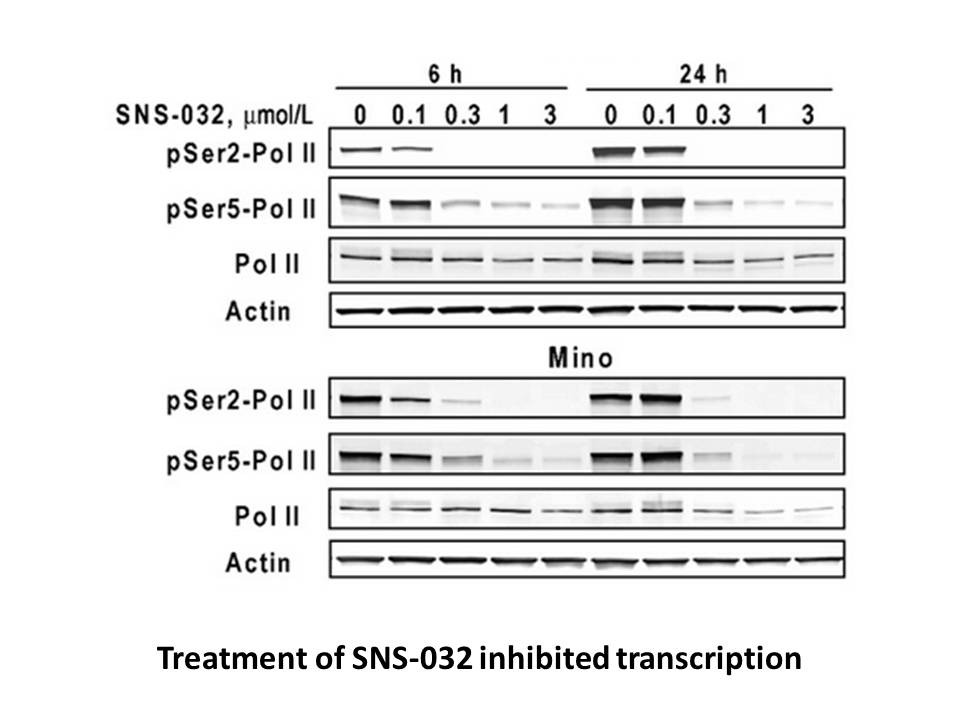
Naringin has been shown to have significant anti-inflammation, anti-oxidative stress, glucolipid metabolic regulation, and myocardial protection effects (Gopinath et al., 2011, Gopinath and Sudhandiran, 2012), suggesting that it may mitigate ADC by inhibiting P2X7 receptors. In the present study, na
-
The original Bee Synch methodology now termed
2021-09-07
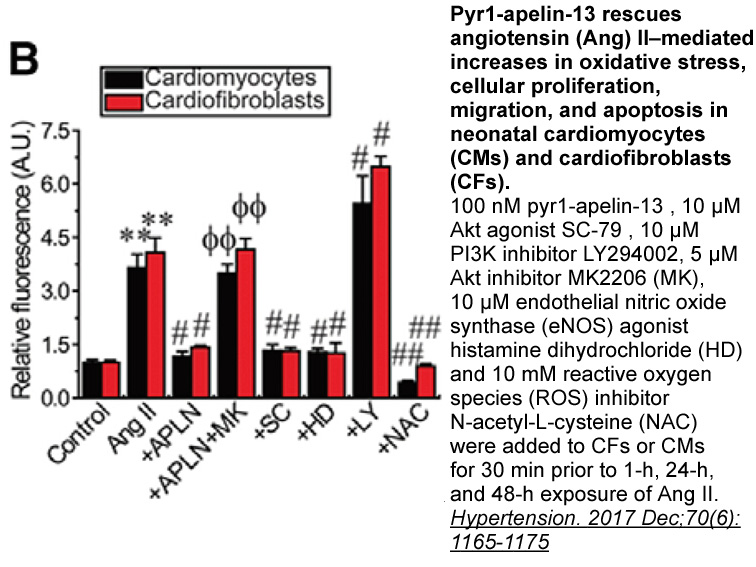
The original Bee Synch methodology (now termed Bee Synch I) utilizes a 5-day CIDR, GnRH (GnRH-1) and PGF on day 0, double dose of PGF on day 5, and FTAI with GnRH (GnRH-2) at 66 h after CIDR removal. Cruppe et al. (2014) reported that the inclusion of GnRH on day 0 does not contribute appreciably to
-
br The glycine transporter GlyT was
2021-09-07
The glycine transporter 1 (GlyT1) was originally identified as a member of the solute carrier family 6 of sodium- and chloride-dependent neurotransmitter transporters . GlyT1 is expressed in the central nervous system and in peripheral tissues; mainly in erythroid cells, from erythroblasts in the
-
Up to now many UDG assays have been reported
2021-09-07
Up to now, many UDG assays have been reported based on the design of dU-containing substrate DNA, which can be roughly divided into two categories according to the sensing mechanisms. One type of UDG assays are simply based on the physical or chemical property changes of the substrate accompanied wi
-
There are three classes of receptors for herpes virus
2021-09-07
There are three classes of receptors for herpes virus gD have been described [18,24]. Among those three, herpes virus entry mediator A (HveA) is also known as HVEM. This receptor is a member of the tumor necrosis factor receptor (TNFR) superfamily [25]. The other class of receptors is HveC which is
-
We next compared the enhancing effects
2021-09-07
We next compared the enhancing effects of 100nM zinc on currents produced by a low concentration of glycine with zinc effects on the same currents produced by the partial agonist taurine. In this experiment, zinc was co-applied with concentrations of glycine or taurine producing 5–10% of the maximal
-
br Methods br Results br Discussion Previous work by the
2021-09-07
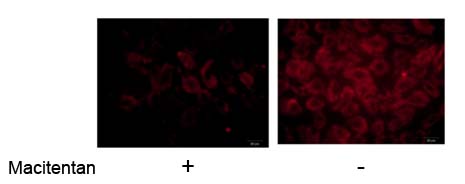
Methods Results Discussion Previous work by the Hirano group investigated the effect of GIP in murine atherosclerotic models and found infusion of GIP (1–42) by osmotic mini-pumps to decrease lesion size after 4 weeks in non-diabetic as well as in diabetic ApoE−/− mice [8], [9]. Mechanistic
-
Two intermediate compounds A and
2021-09-06
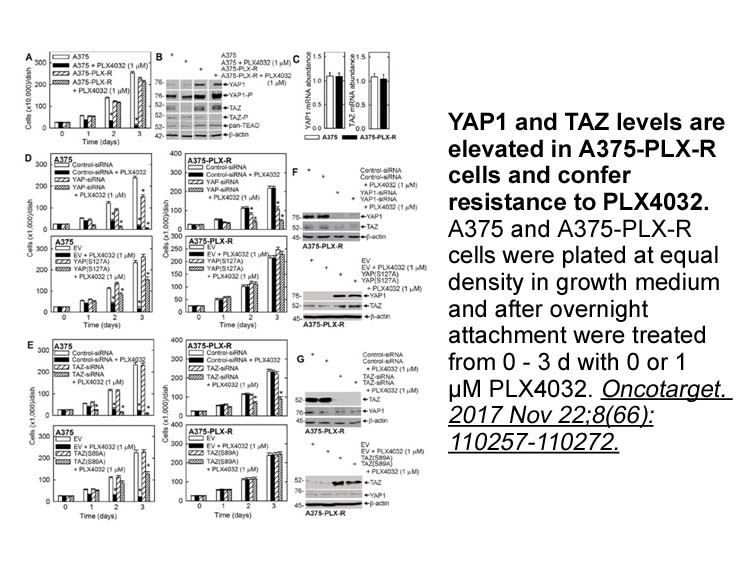
Two intermediate compounds (A and B in Fig. 1) were tested for both Aβ40 and CYP3A4 inhibition activity. Potential hydrolysis of structures I and IIin vivo may produce A which is a strong CYP3A4 inhibitor. Cyclopropanol group is a suspected liability, because diacerein B without it has a clean CYP3
16750 records 636/1117 page Previous Next First page 上5页 636637638639640 下5页 Last page