Archives
- 2026-07
- 2026-06
- 2026-05
- 2026-04
- 2026-03
- 2026-02
- 2026-01
- 2025-12
- 2025-11
- 2025-10
- 2025-09
- 2025-03
- 2025-02
- 2025-01
- 2024-12
- 2024-11
- 2024-10
- 2024-09
- 2024-08
- 2024-07
- 2024-06
- 2024-05
- 2024-04
- 2024-03
- 2024-02
- 2024-01
- 2023-12
- 2023-11
- 2023-10
- 2023-09
- 2023-08
- 2023-07
- 2023-06
- 2023-05
- 2023-04
- 2023-03
- 2023-02
- 2023-01
- 2022-12
- 2022-11
- 2022-10
- 2022-09
- 2022-08
- 2022-07
- 2022-06
- 2022-05
- 2022-04
- 2022-03
- 2022-02
- 2022-01
- 2021-12
- 2021-11
- 2021-10
- 2021-09
- 2021-08
- 2021-07
- 2021-06
- 2021-05
- 2021-04
- 2021-03
- 2021-02
- 2021-01
- 2020-12
- 2020-11
- 2020-10
- 2020-09
- 2020-08
- 2020-07
- 2020-06
- 2020-05
- 2020-04
- 2020-03
- 2020-02
- 2020-01
- 2019-12
- 2019-11
- 2019-10
- 2019-09
- 2019-08
- 2019-07
- 2019-06
- 2019-05
- 2019-04
- 2018-11
- 2018-10
- 2018-07
-
A key step in the ADAR reaction is the formation
2023-08-10
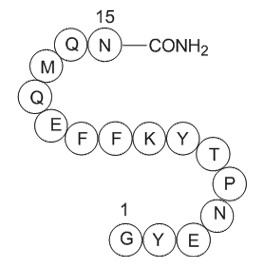
A key step in the ADAR reaction is the formation of the adenosine covalent hydrate with a tetrahedral center at C6. The nucleoside analog 8-azanebularine (box in Fig. 6), with its relatively high propensity to form a covalent hydrate, is useful as an adenosine replacement in ADAR2 substrates to trap
-
br Materials and methods br Results
2023-08-09
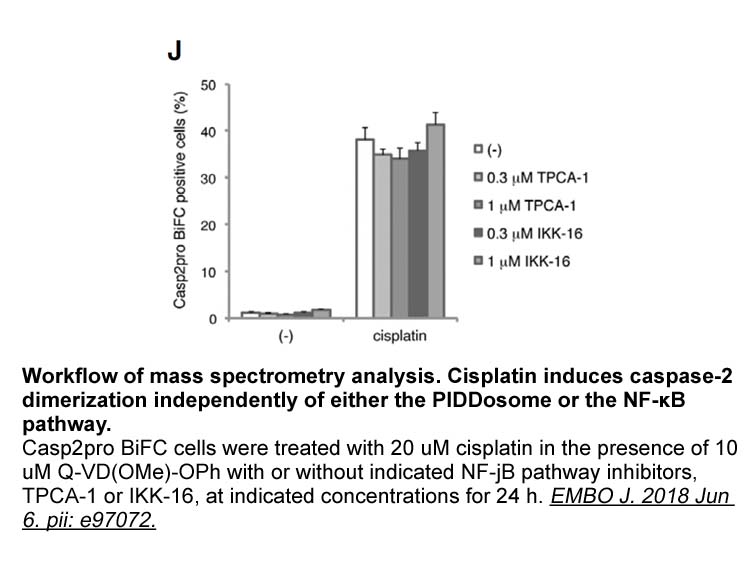
Materials and methods Results Discussion I/R injury is characterized by myocardial damage triggered by the ischemic insult followed by reperfusion injury. While the primary insult depends mainly on the severity and duration of blood flow restriction and the breakdown of ATP-dependent cyclos
-
br Materials and methods br Results br Discussion We demonst
2023-08-09
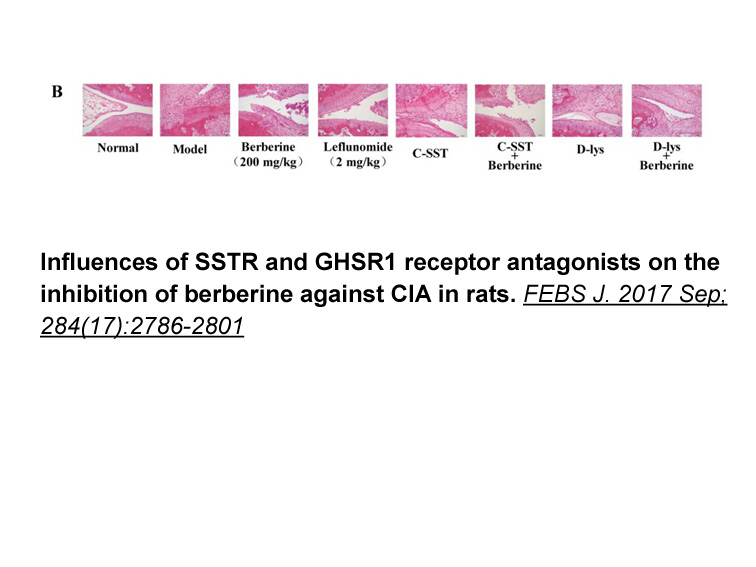
Materials and methods Results Discussion We demonstrate reduced angiogenic activity in NDRG1 overexpressing malignant glioma leading to reduced glioma growth. This antiangiogenic phenotype is paralleled by a significant upregulation of the antiangiogenic gene TNFSF15. TNFSF15 upregulation i
-
Infections inflammation and corneal transplant can
2023-08-09
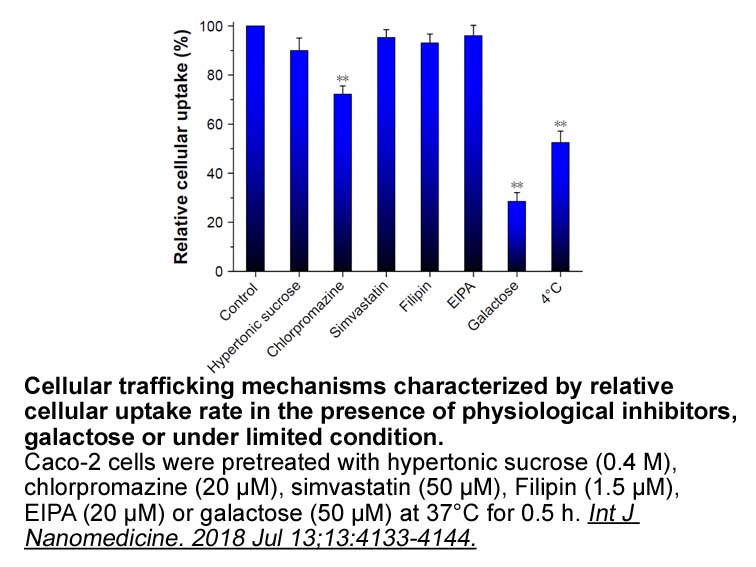
Infections, inflammation, and corneal transplant can all cause corneal neovascularization via upregulation of inflammatory cytokines, which attract myeloid hcv protease inhibitors into the cornea. These myeloid cells establish a cycle of cytokine secretion and further myeloid cell recruitment in th
-
br Concluding Remarks and Future Perspectives Herein
2023-08-09
Concluding Remarks and Future Perspectives Herein, we have highlighted our current understanding of the role of the LKB1-AMPK pathway and its related kinases in β cell biology. β cell-specific genetic models have been particularly useful in delineating precise roles for individual family members
-
ezh2 inhibitor br Introduction Diabetes mellitus DM is a
2023-08-09
Introduction Diabetes mellitus (DM) is a chronic metabolic disorder characterized by elevated levels of glucose in the blood. Type 1 diabetes is characterized by insufficient insulin production and needs a daily administration of insulin. Actually, no prevention is known for Type 1 diabetes. Type
-
br Metabolic effects of apelin in obesity
2023-08-08
Metabolic effects of apelin in obesity and type 2 diabetes Mice fed a high fat diet (HFD) for several weeks become obese, hyperglycemic, hyperinsulinemic and insulin resistant. Acute apelin treatment by intravenous injection or by infusion during a hyperinsulinemic–euglycemic clamp in obese and i
-
What are the in situ effects
2023-08-08
What are the in-situ effects of multi-site CaM associations with AT1R? Kai et al. showed that synthetic peptides corresponding to residues 125–137 (rat sequence) in SMD2, 217–227 in the N-terminal side of SMD3, and 304–316 in SMD4JM inhibit to various degrees AngII-induced GTPase activity of isolate
-
Fish aminopeptidases from Alaska Pollack roe and tuna pylori
2023-08-08
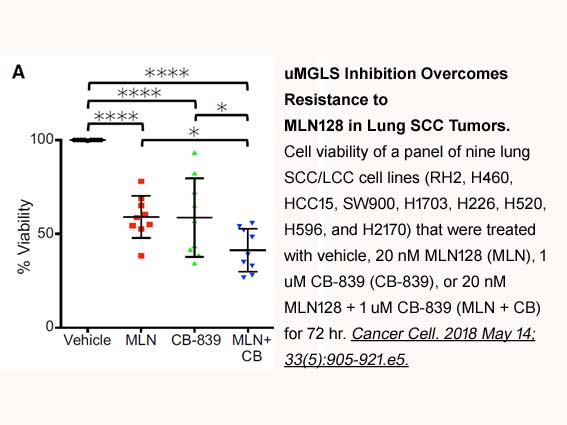
Fish aminopeptidases from Alaska Pollack roe and tuna pyloric caeca have been reported on [12,13]. More recently, we described the purification of a leucine aminopeptidase from the skeletal muscle of the common carp [14], red sea bream [15] and a lysine aminopeptidases from Japanese flounder [16]. T
-
Within the PARP family TIPARP is most
2023-08-08
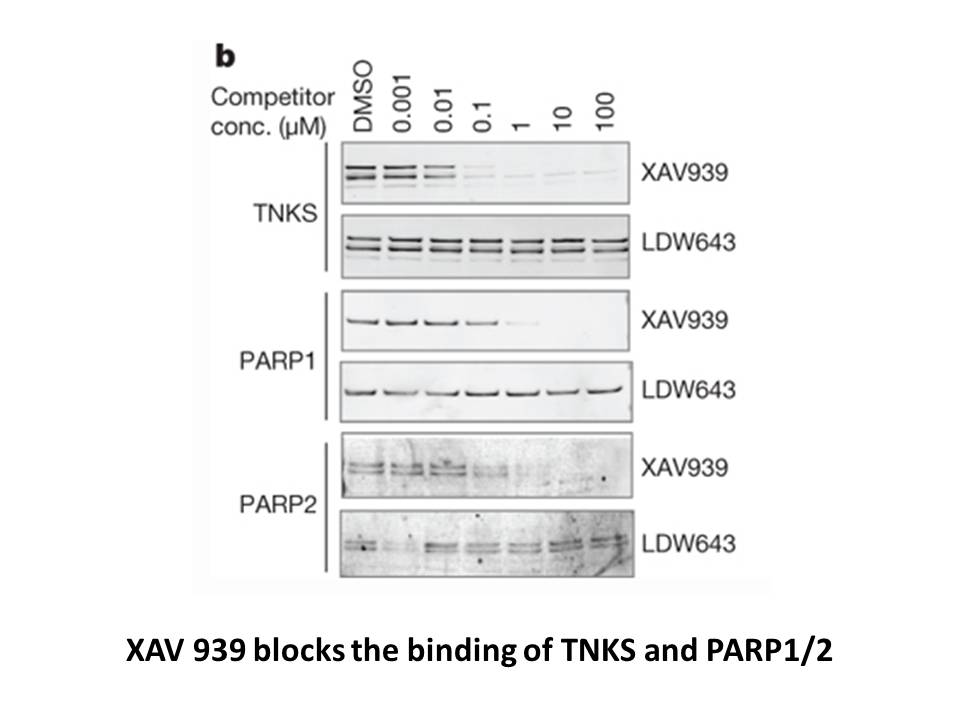
Within the PARP family, TIPARP is most evolutionarily conserved with PARP12 (ARTD12) and PARP13 (ARTD13) [27,28,41]. All three proteins contain at least one RNA-type CCCH zinc finger domain, a poly-ADP-ribose binding WWE domain and a PARP catalytic domain (Fig. 1). PARP13 is catalytically inactive,
-
Gene regulation of MMPs is influenced by
2023-08-07
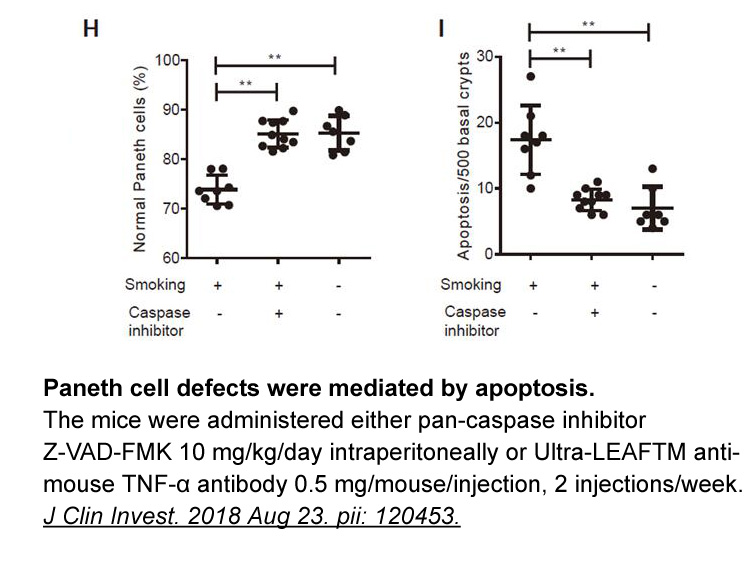
Gene regulation of MMPs is influenced by the transcription factor activating factor-1 (AP-1). AP-1 complexes are heterodimers of proteins of the two proto-oncogene families (jun and fos) and have Mycophenolic acid in the promoter region of MMPs, as well as in genes mediating inflammatory responses.
-
In addition enhanced AT receptor
2023-08-07
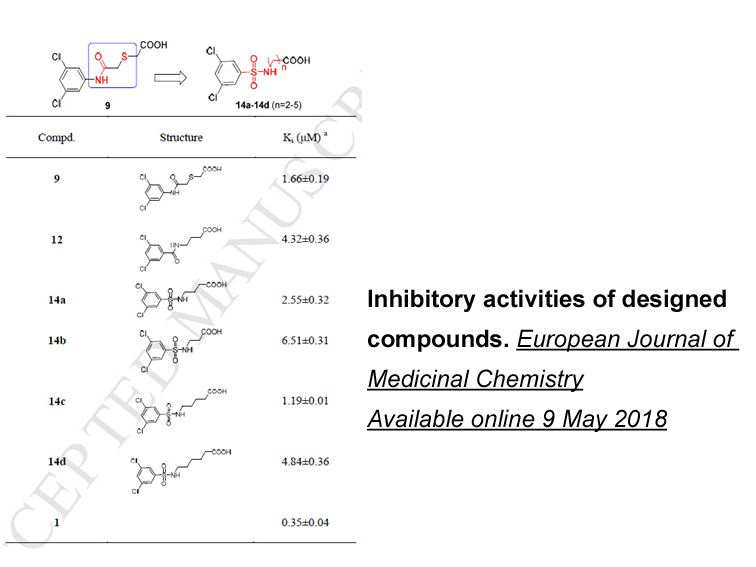
In addition, enhanced AT1 receptor function abnormally increases central and sympathetic activity, contributing to cardiac and renal disease, which in turn alters homeostasis, increases vulnerability to stress, and further injures the brain, and that AT1 receptor blockade ameliorates excessive sympa
-
As we previously observed in the NSFT
2023-08-07
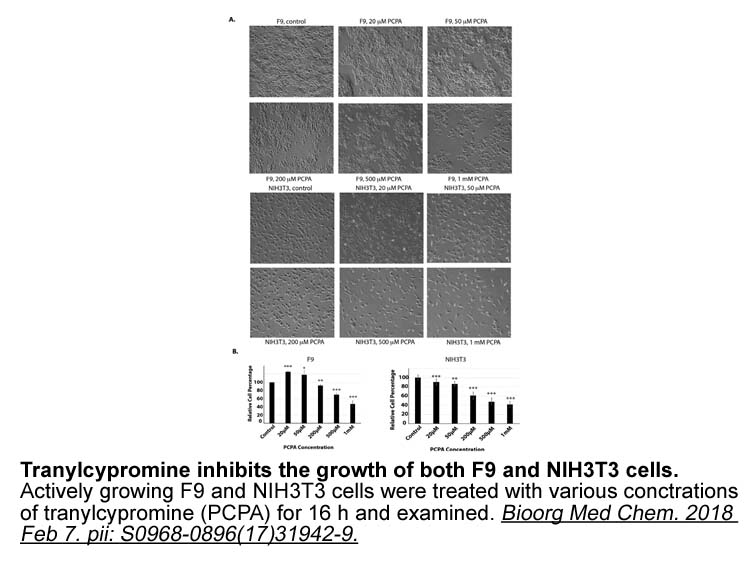
As we previously observed in the NSFT (Fukumoto et al., 2014), the effect of LY341495 in the FST was also inhibited by a 5-HT1A receptor antagonist, indicating the role of the 5-HT1A receptor in the actions of LY341495. Among the 5-HT1A receptors, which exist both presynaptically and postsynapticall
-
br Materials and methods br Discussion Few studies
2023-08-07
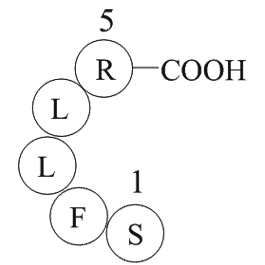
Materials and methods Discussion Few studies have examined peripheral PACAP levels in migraineurs, and no reports have described PACAP levels in blood samples from patients with CM. Here, we demonstrated that plasma PACAP concentrations were lower in patients with interictal migraine (in both
-
Introduction Heterotrimeric G proteins mediate signal transd
2023-08-07
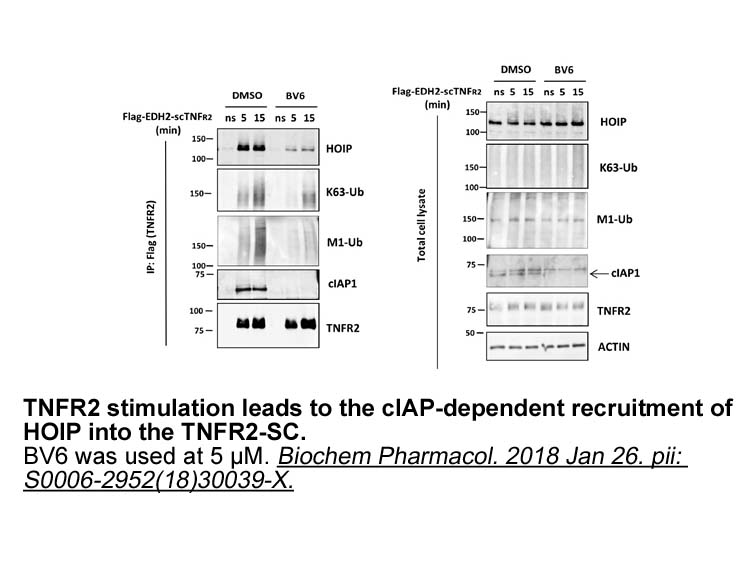
Introduction Heterotrimeric Gαβγ proteins mediate signal transduction through seven-transmembrane domain receptors. In response to neurotransmitters or hormones, activated receptors bind GTP via the Gα subunit leading to the dissociation of Gα from the Gβγ dimer. G proteins regulate the levels of s
16742 records 330/1117 page Previous Next First page 上5页 326327328329330 下5页 Last page